Your challenges
Our solutions
BIOCTOR-Continuous
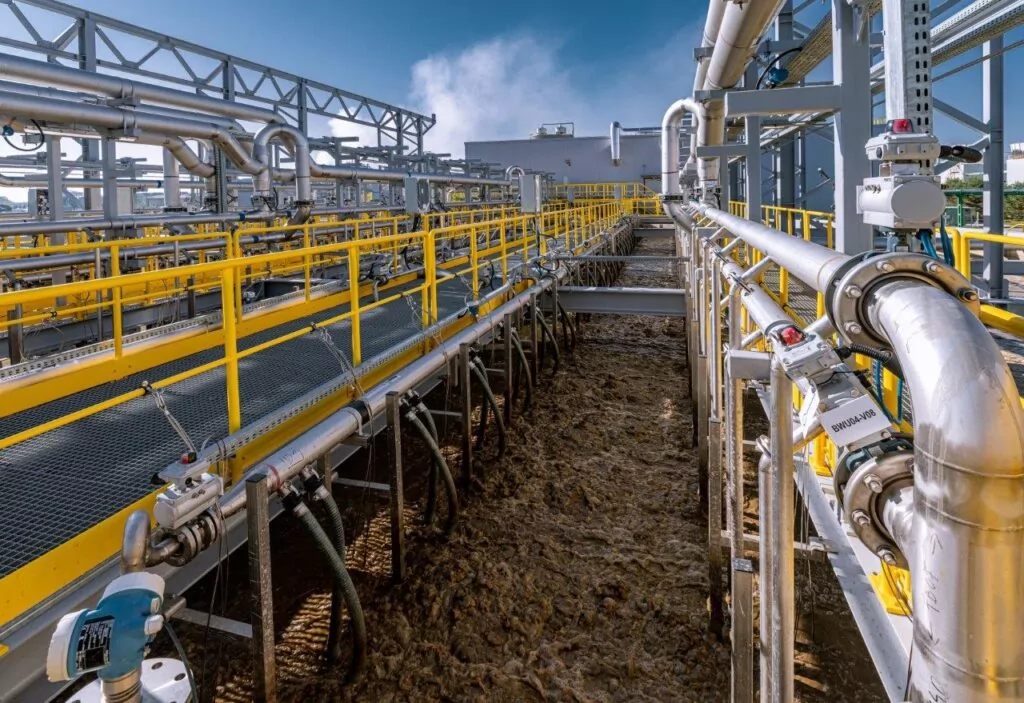
A reliable continuous wastewater treatment solution based on the proven activated sludge process. BIOCTOR-Continuous combines biological treatment with gravity-based sludge separation in a secondary clarifier, ensuring stable effluent quality and dependable performance for municipal and industrial applications.
BIOCTOR-Flot
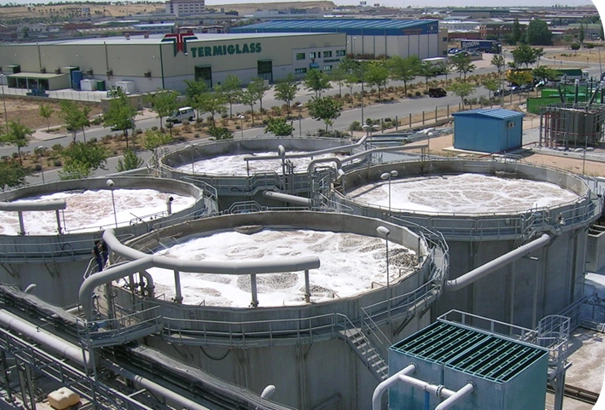
A compact continuous wastewater treatment solution based on the proven activated sludge process. BIOCTOR-Flot uses Dissolved Air Flotation (NSI i-DAF) for sludge-water separation instead of a conventional clarifier, enabling a smaller biological reactor footprint while maintaining reliable treatment performance.
BIOCTOR-SBR
A compact and flexible sequencing batch reactor solution that treats wastewater in a single tank through a series of controlled process phases. BIOCTOR-SBR is well suited for variable flows and loads and can support both nitrification and denitrification within the same reactor, helping achieve reliable treatment performance in a space-efficient design.
BIOCTOR-MBR
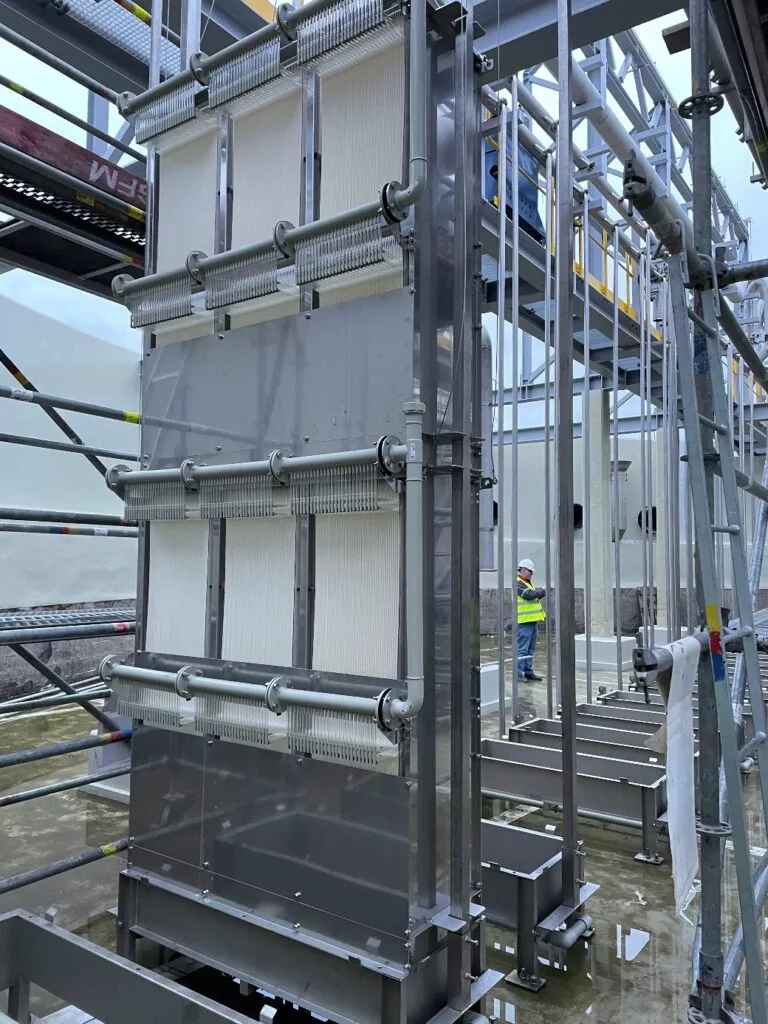
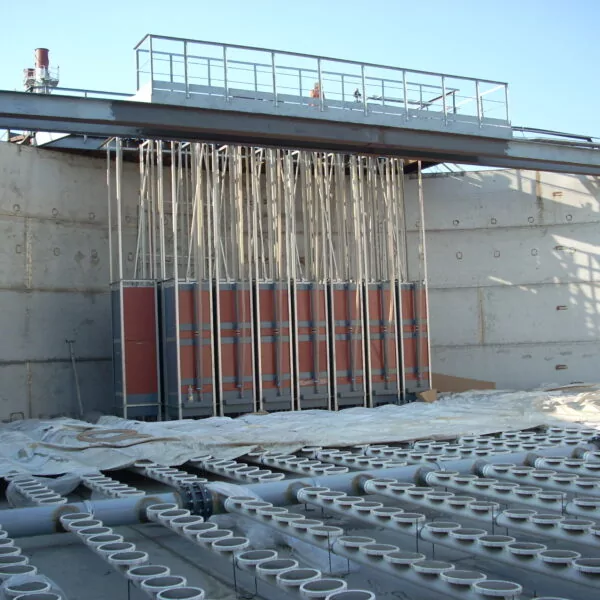
A high-quality membrane bioreactor solution that combinescombines continuous activated sludge treatment with advanced membrane separation. BIOCTOR-MBR usesflat plate or hollow fiber membrane modules to separate treated water from sludge, delivering excellent effluent quality in a compact design. The high-quality effluent can also be suitable for water reuse applications, depending on the required standards and local regulations. The membranes The membranes can be installed directly inin the aeration tank or in a separate membrane tank, depending on the application and site requirements.
FlooBed® MBBR
A compact and highly efficient Moving Bed Biofilm Reactor solution and part of the NSI BIOCTOR portfolio. FlooBed® MBBR uses proprietary biofilm carriers in combination with optimized, energy-efficient aeration and mixing, supported by continuous process control. Microorganisms grow as a biofilm on the surface of the carriers, which remain suspended and continuously mixed in the reactor. This creates a robust biological treatment process that helps deliver reliable performance, a compact footprint, and stable effluent quality for municipal and industrial wastewater applications.
Click here to learn more about FlooBed® MBBR
BIOCTOR-HRNR
A high-rate biological nitrogen removal solution for highly concentrated side streams, such as effluent from anaerobic digesters. BIOCTOR-HRNR uses specialized bacteria to convert ammonium and nitrite directly into nitrogen gas, offering key benefits such as low energy consumption, no need for external carbon dosing, and reduced sludge product.
Nereda®
Nijhuis Saur Industries partners with Haskoning to bring Nereda® technology to the industrial wastewater market. Nereda® is an advanced aerobic granular sludge process that treats wastewater using dense, fast-settling biomass granules. These granules enable multiple biological treatment processes to take place simultaneously, delivering high-quality effluent with lower energy use and a compact footprint.
New VPA™
Nijhuis Saur Industries partners with Vortech to bring Vortex Powered Aeration (VPA) into its biological aerobic treatment solutions (NSI BIOCTOR). VPA is an innovative aeration technology and a modern alternative to both conventional fine bubble diffused aeration systems and traditional surface aerators. By generating fine bubbles from above the water surface, VPA eliminates the need for blowers, air piping, submerged diffuser grids, and heavy surface aeration equipment. This results in faster installation, easier above-water maintenance, improved safety, and reduced operational complexity for efficient and reliable wastewater treatment.
- Municipal
- Industrial
Aerobic – FlooBed® MBBR
- Wastewater
- Industrial water
A highly efficient and compact biological treatment process to treat a wide variety of industrial and municipal wastewater streams and ensure environmental compliance. The patented (...)
- Industrial
Aerobic/Membrane – Nijhuis BIOCTOR-MBR
- Water reuse
- Wastewater
- Industrial water
Wastewater treatment often needs to deliver high-quality effluent while making efficient use of available space. The Nijhuis BIOCTOR-MBR combines biological wastewater treatment (...)
Customer benefits
Our aerobic treatment solutions combine deep process expertise with intelligent design, helping you achieve greater control, consistent performance, and long-term operational savings.