
Your challenges
How can NSI meet your needs?
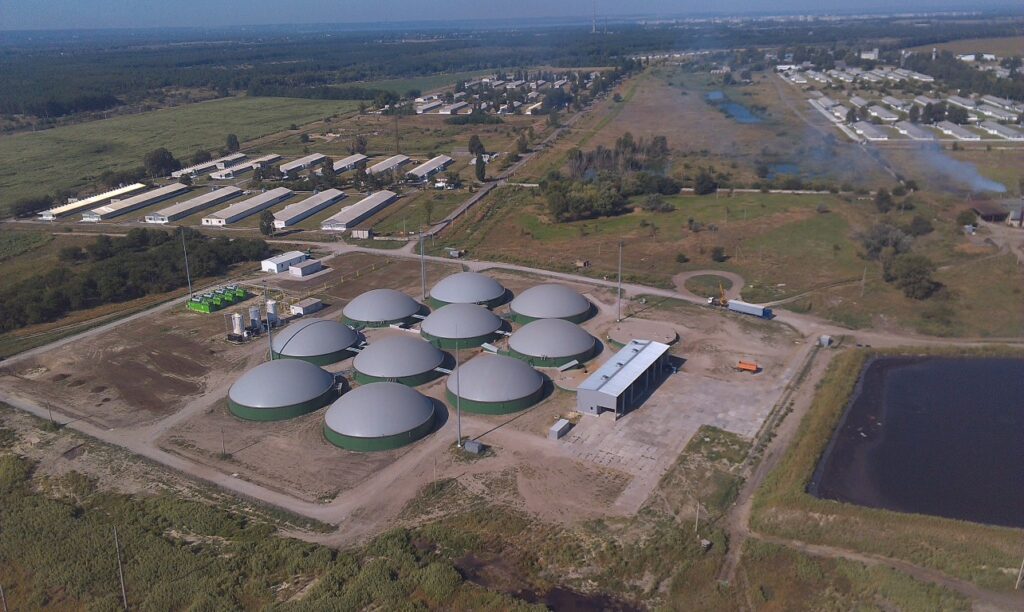
We offer end-to-end project execution, providing full peace of design-build-supportive operations mind. Our complete and modular solutions to treat and valorize digestate and manure, transforming it into clean water, reusable nutrients, and a smaller residual footprint. Our systems can be installed as part of new biogas facilities or retrofitted into existing plants.
Ammonia stripping and recovery (ByoFlex®)
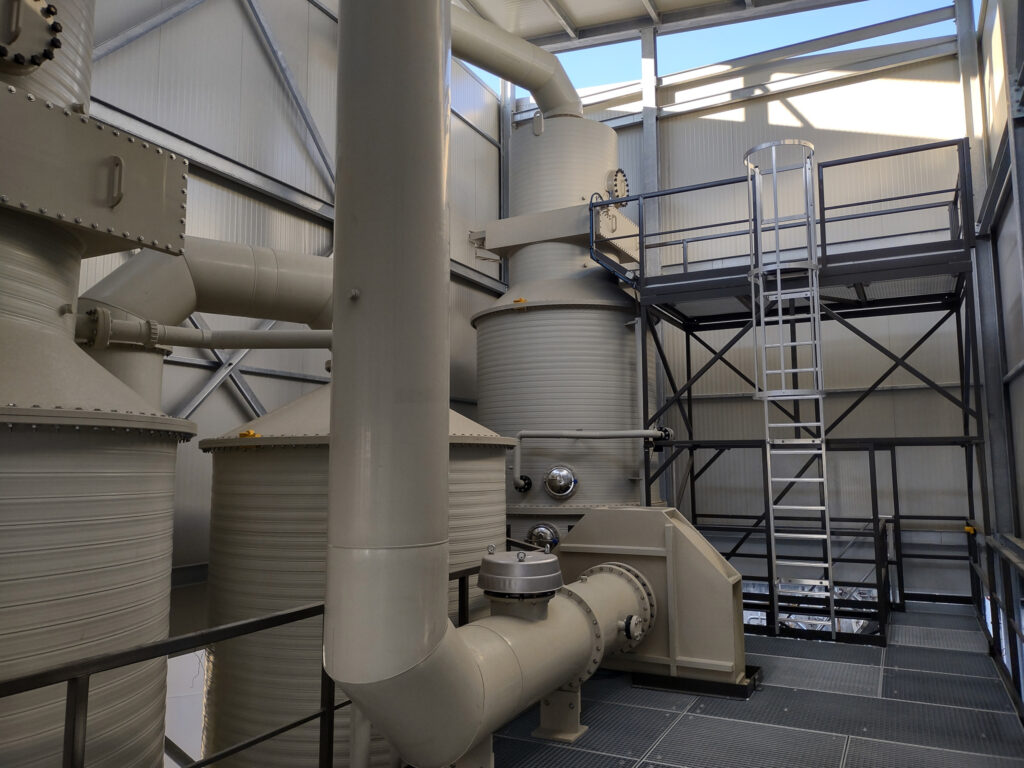
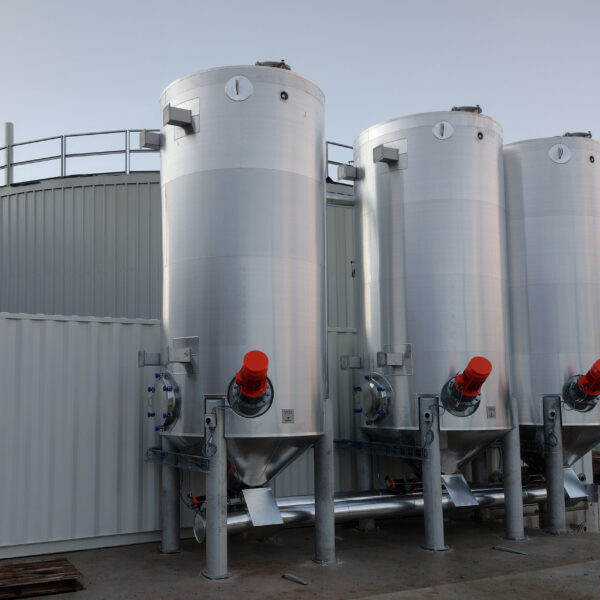
The ByoFlex® ammonia stripper is a modular system that efficiently removes and recovers ammonia from liquid waste streams such as digestate, centrate, or manure. It uses a stripping process with low energy input and can operate without the need for chemicals (or a very low amount). The recovered ammonia can be captured as a valuable ammonium sulfate or nitrate fertilizer, supporting nutrient circularity and environmental compliance.
Decanter centrifuges
Our decanters separate digestate into solid and liquid fractions with high efficiency and minimal operator intervention. The solid fraction is suitable for composting, drying, or incineration, while the liquid is prepared for further treatment.
Drum filters (NDF)
These compact filters remove suspended solids from the liquid digestate. Using a rotating cloth-covered drum, they prepare the flow for downstream processes like nutrient recovery and biological treatment.
Dissolved Air Flotation – DAF
DAF systems remove residual suspended particles, oils, and organic load from the liquid phase. This step increases the efficiency of biological and membrane systems downstream, and ensures higher water quality
Biological treatment for nitrogen removal (BIOCTOR)
Our tailored biological systems remove nitrogen through nitrification and denitrification. Whether through SBRs or continuous-flow systems, they are optimized for digestate’s unique composition.
Membrane filtration (UF / RO / DEEPEST®)
For clients targeting water reuse or high-quality discharge, our ultrafiltration and reverse osmosis systems polish the treated water. They remove remaining nutrients, organics, and micropollutants to meet the highest reuse standards.
For special applications, our DEEPEST® system is an advanced, modular titanium membrane technology designed for the treatment and reuse of complex wastewater streams, including digestate from organic waste. It combines microfiltration, nanofiltration, and reverse osmosis in a multi-loop configuration to achieve high recovery rates (over 90%) and produce high-quality water suitable for reuse or discharge. The system supports circular economy goals by enabling the recovery of nutrients and reducing environmental impact through efficient resource utilization.
Pasteurization (ByoPast®)
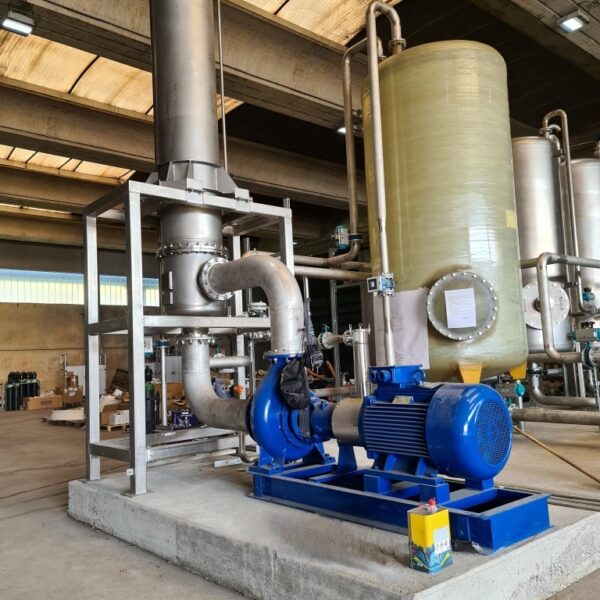
To allow digestate produced from food- or animal by-products to be used or sold as a fertilizer and soil improver according to environmental legislation, pasteurization is needed. With the ByoPast® substrates are pasteurized according to EU-reg. 1069/2009 or BSI PAS 110
Customer benefits
- Municipal
- Industrial
Ammonia stripper – ByoFlex®
- Resource Recovery
- Industrial water
- Sludge
- Wastewater
- Process water
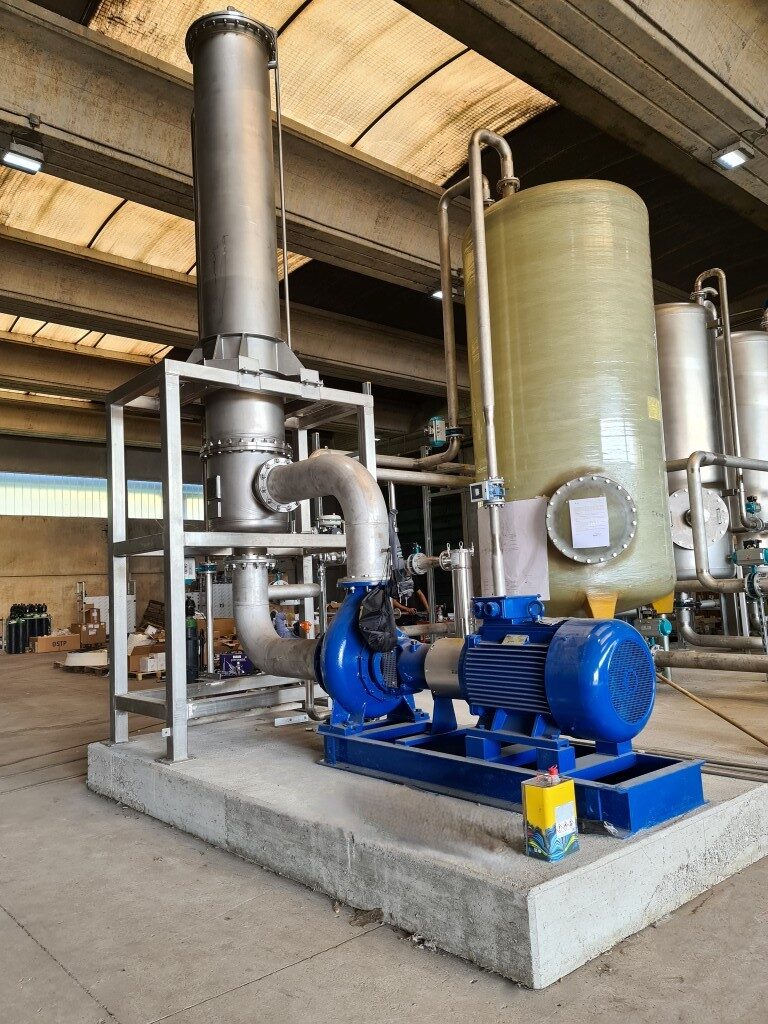
With the revolutionary ByoFlex® system nitrogen is recovered from highly contaminated substrates. The ByoFlex® system is a one-of-a-kind ammonia stripping unit. Through years (...)
- Industrial
Pasteurization – ByoPast®
- Resource Recovery
- Sludge
- Wastewater
- Industrial water
- Process water
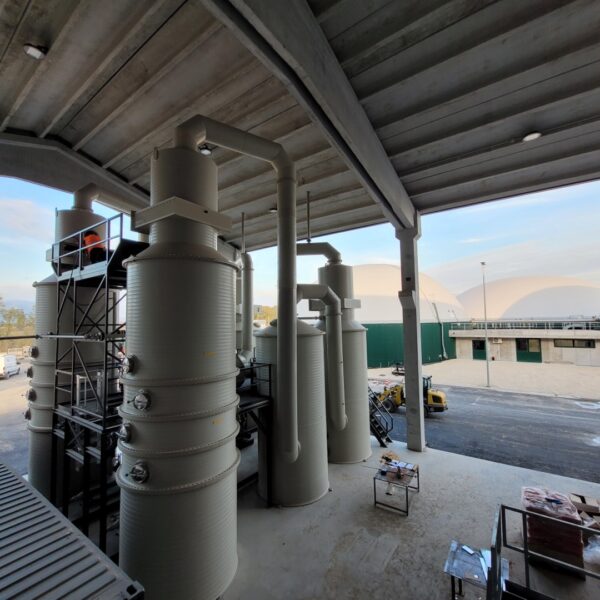
To allow digestate produced from food- or animal by-products to be used or sold as a fertilizer and soil improver according to environmental legislation, pasteurization is needed. (...)
- Industrial
Membrane – DEEPEST®
- Wastewater
- Industrial water
- Process water
The Deepest System® is a patented multi-stage, multi-membrane purification system developed by Sodai. It employs sequential microfiltration, nanofiltration, and reverse osmosis (...)
Reference examples
Contact us for a more extended list of digestate treatment references!
- Industrial
- Waste-To-Energy
Ammonia removal for food waste digestion to meet stringent nitrogen discharge standards
Project’s context and challenges
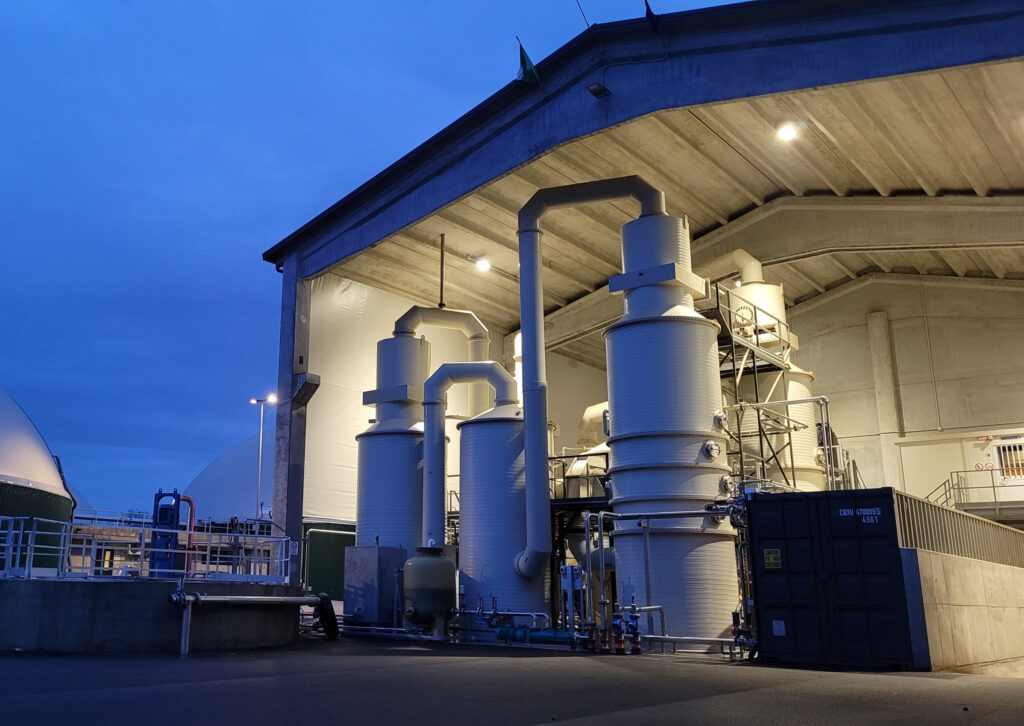
The client is collecting and digesting food waste on industrial scale, resulting in the production of biomethane which is injected into the grid. The digestate after digestion is separated and the liquid fraction is discharged via the city sewer. The client’s challenge was to select a robust and reliable waste water treatment solution which could deal with varying nitrogen loading after the digesters combined with varying hydraulic loadings, while maintaining the city’s stringent nitrogen emission levels.
The client chose to implement a ByoFlex® installation. The liquid fraction/wastewater from the digester, is drastically reduced in ammonium with the single ByoFlex® 20 unit. As result of the flexible operation window of the ByoFlex® 20 unit, the downstream MBBR is designed significantly smaller due to the reduced and stabilized ammonium/ammonia loading. As a result of this, the plant is able to consistently reach the stringent nitrogen emission levels.
- Industrial
- Waste-To-Energy
Ammonia removal for agricultural biogas production to maximize biomethane yield
Project’s context and challenges
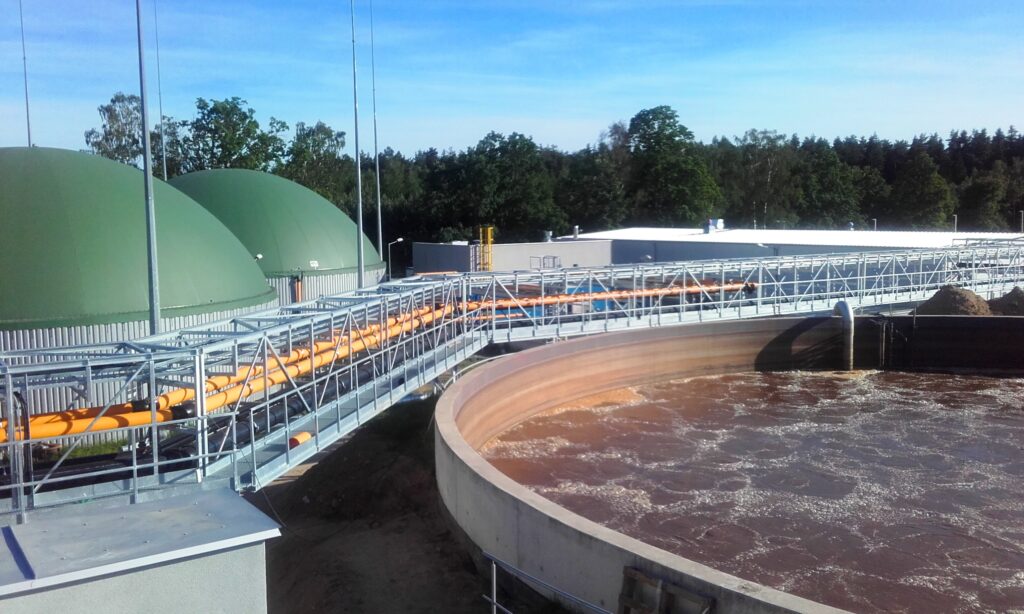
The client is digesting agricultural feedstocks combined with a large portion of ‘dry’ chicken manure. The aim is producing biomethane to be injected into the grid. Because of the high nitrogen content in the feedstock the client’s challenge is preventing ammonium inhibition in the AD’s biology, and therewith stagnation of biogas production. Simply diluting with fresh water isn’t feasible since this would result in unreasonable digestate discharge volumes.
Ammonium Control and Reuse – As the solution the thin fraction is drastically reduced in ammonium with the ByoFlex®2×10 system, after which the major part of the thin fraction is pumped back (recycled) to the front end of the AD to dilute the incoming feedstock.
End-of-Pipe – The remaining thin fraction is stripped because therewith it is being land applied on reduced land area (in the region) which significantly lowers transport and spreading costs.
- Industrial
- Food & Beverage
- Waste-To-Energy
Wastewater treatment and biogas production for poultry processing – Cedrob
Context
Cedrob S.A., a leading and fast-growing poultry producer in Poland, is expanding its slaughtering operations while aiming to minimize environmental impact and secure long-term water availability. Due to site development by extra slaughterlines and rendering facility as well as climate-related pressure on local groundwater resources, additional freshwater abstraction became restricted. At the same time, Cedrob sought to increase production without increasing its environmental footprint.
In partnership with Nijhuis Saur Industries, Cedrob therefore developed an integrated and sustainable water management strategy combining wastewater treatment, water reuse, and waste-to-energy. The objective was to ensure reliable internal water supply, minimize discharge and disposal, and convert organic residues into renewable energy. Today, more than 50 % of the site’s water demand is covered by reclaimed process water.
- Industrial
- Energy
Digestate pasteurization for Waste-to-Energy production to reduce energy consumption
Context
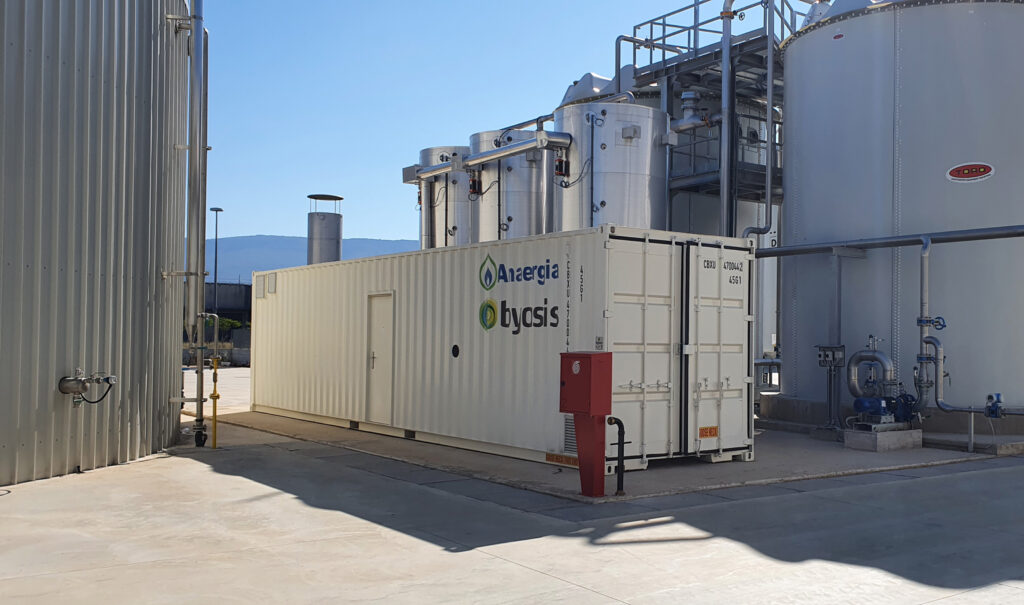
At a waste-to-energy plant in central Italy, a customer needed to pasteurize the digestate flow for further processing, while using a minimum amount of heat.
Solution
Byosis delivered and installed the ByoPast® unit consisting of 3 pasteurization vessels for a continuous flow of 10 m3/hr. The system was adapted to customer-specific parameters, such as the viscosity and dry matter content of the process water. During the initial months of operation, Byosis provided guidance on system operation and cleaning, as well as on ensuring optimal and reliable performance.