
Your challenges
High sludge disposal and transportation costs
Dewatering untreated sludge still leaves a significant quantity of organic solids that needs to be transported and managed. Facilities need an effective way to biologically break down these solids before final dewatering to reduce the amount of sludge requiring off-site disposal.
Operational sludge digester challenges to process high-FOG sludge streams
Flotation sludge, particularly from dissolved air flotation (DAF), can contain high concentrations of fats, oils and grease (FOG). These streams can create operational challenges for conventional digesters, including foaming, biological instability and difficulties maintaining consistent treatment performance.
Treating sludge as a waste
Organic sludge contains valuable energy that can be recovered through anaerobic sludge digestion. Instead of treating sludge purely as a waste product, wastewater treatment plants can convert biodegradable organic matter into biogas for heat, electricity or further upgrading into renewable gas.
How does it work?
Our process
TAURUS uses continuous stirred-tank reactor (CSTR) technology for anaerobic sludge digestion.
A CSTR is a continuously fed, completely mixed anaerobic reactor in which incoming sludge is mixed with the active biomass already present in the sludge digester. Continuous mixing helps distribute organic matter, nutrients, microorganisms and heat throughout the reactor, creating stable conditions for anaerobic sludge digestion.
In an anaerobic CSTR, microorganisms break down biodegradable organic matter in the absence of oxygen. The process takes place through several biological stages, ultimately converting organic compounds into biogas containing mainly methane and carbon dioxide.
Key figures
Up to 50%
reduction in final sludge mass according to the supplied TAURUS specification.
>60 g/L COD
feed concentration indicated for high-strength sludge applications.
References
See all our references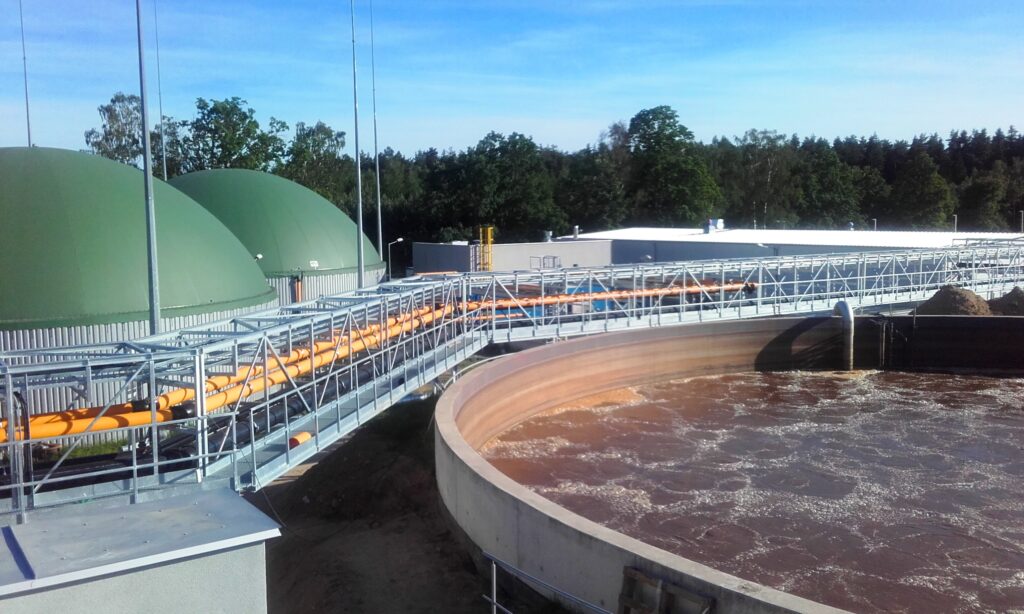
- Industrial
- Food & Beverage
- Waste-To-Energy
Wastewater treatment and biogas production for poultry processing – Cedrob
Context
Cedrob S.A., a leading and fast-growing poultry producer in Poland, is expanding its slaughtering operations while aiming to minimize environmental impact and secure long-term water availability. Due to site development by extra slaughterlines and rendering facility as well as climate-related pressure on local groundwater resources, additional freshwater abstraction became restricted. At the same time, Cedrob sought to increase production without increasing its environmental footprint.
In partnership with Nijhuis Saur Industries, Cedrob therefore developed an integrated and sustainable water management strategy combining wastewater treatment, water reuse, and waste-to-energy. The objective was to ensure reliable internal water supply, minimize discharge and disposal, and convert organic residues into renewable energy. Today, more than 50 % of the site’s water demand is covered by reclaimed process water.
- Industrial
- Energy
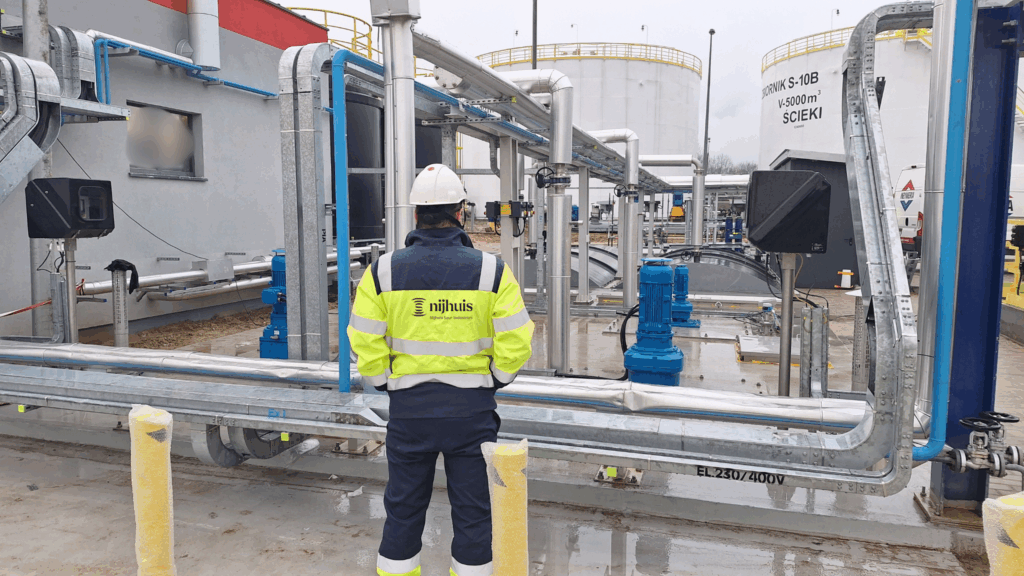
Wastewater pretreatment for energy production to increase treatment capacity and reliability – Orlen
The expansion of Orlen’s wastewater treatment facilities marks another important step in strengthening the company’s environmental performance and operational reliability. At the heart of this success is the implementation of the Nijhuis HR-DAF (High-Rate Dissolved Air Flotation) system, delivered by NSI CE, which combines proven engineering with tailored, client-focused solutions.
The project realization faced some challenges from the start: strict Oil & Gas standards, tight delivery timelines, and the need for uninterrupted refinery operations during construction. However, due to the common efforts of dedicated and expert teams involved, the project was completed within the revised deadline and budget. Proactive approach demonstrated by NSI CE team during project execution was highly appreciated by the client.
As part of the order NSI CE team provides also technological support for Orlen for the period of 3 years after take-over, including periodical visits of NSI CE engineer on site.
- Industrial
- Waste-To-Energy
- Food & Beverage
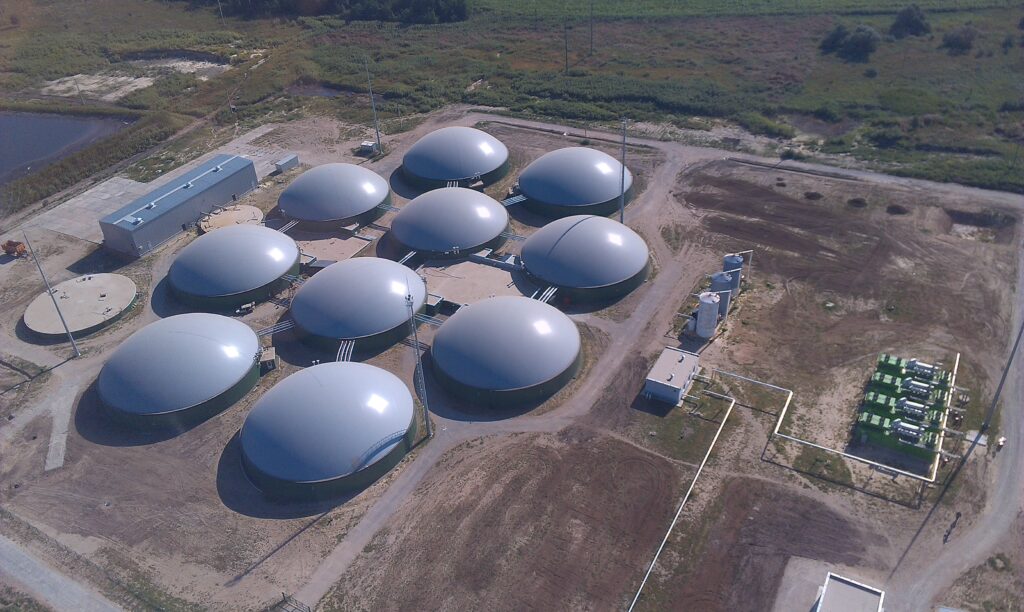
Biogas production and digestate treatment for poultry farming to achieve energy independence – Oril-Leader
Project’s context & challenges
Oril-Leader is a full-cycle poultry farm, producing everything from day-old chicks to broiler meat. The production process includes egg incubation, rearing, slaughtering, and broiler processing. The farm supplies products to Ukraine’s domestic market.
MHP aims to achieve full energy independence using organic farming practices. A key part of this goal is the biogas plant, which converts chicken manure into heat, cooling, and energy—helping MHP move toward energy self-sufficiency.
By the end of 2014, the plant reached full capacity. In 2015, it operated at that level consistently. It remains Europe’s largest biogas facility dedicated to processing chicken manure and slaughterhouse waste.
- Industrial
- Energy
Biogas production for agricultural waste processing to generate renewable energy – Rzeczyca
Project’s context & challenges
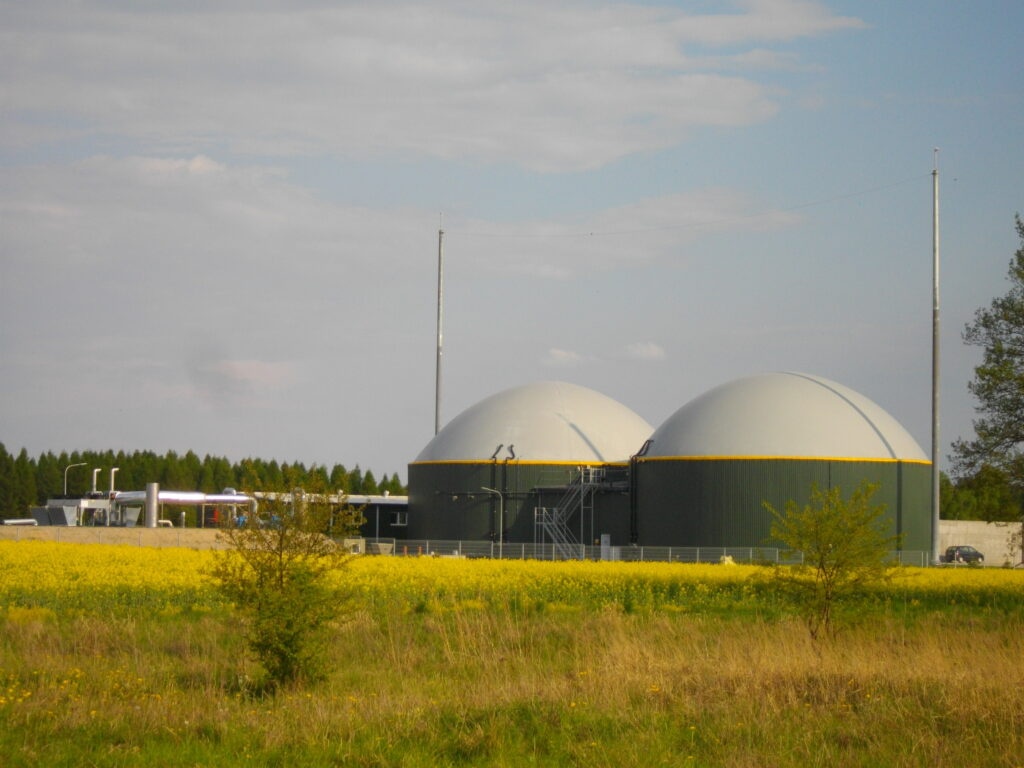
Rzeczyca Sp. z o.o. is a local company that processes agricultural waste and produces biogas. It owns and operates the Rzeczyca biogas plant, transforming organic materials into clean, renewable energy.
The plant uses heat from its combined heat and power (CHP) units for internal needs. It then uses the remaining energy to dry the solid fraction of the digestate, improving efficiency and sustainability.
Local farmers supply feedstocks such as grass, vegetable waste, distillery vinasse, and industrial by-products. The project focuses on sustainably managing these materials while generating green energy for the local power grid.
Nijhuis served as the general contractor, delivering the full technology package along with civil and electrical works, CHP units, and a direct connection to the grid.