Key figures
80 m³/h
Average discharge flow
75%
TSS removal
Solution
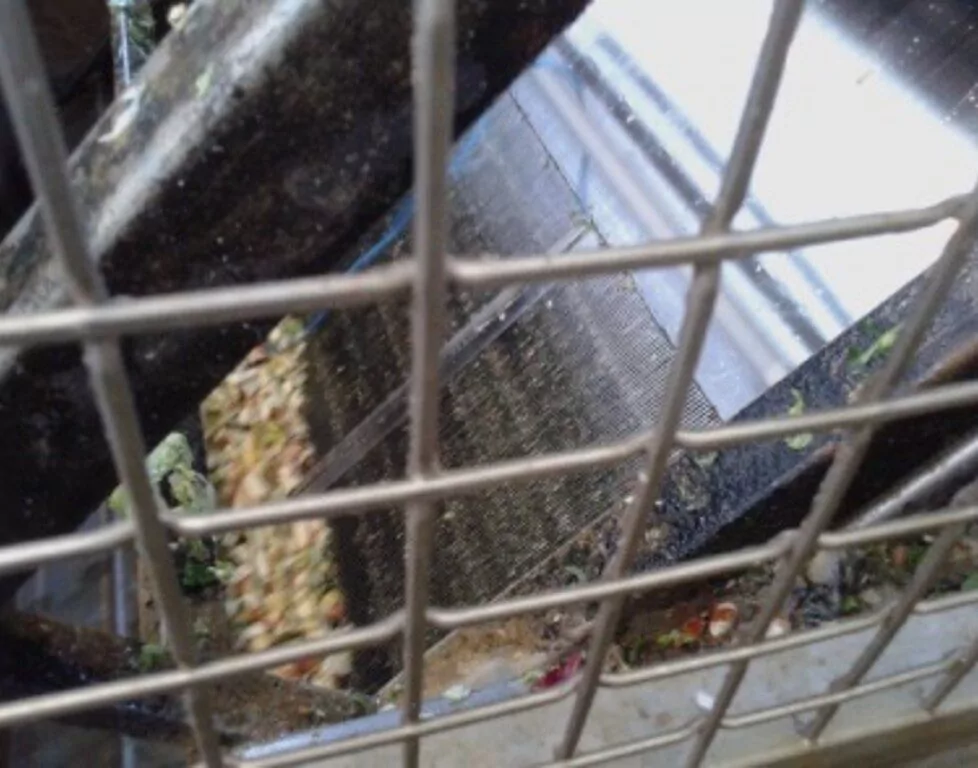
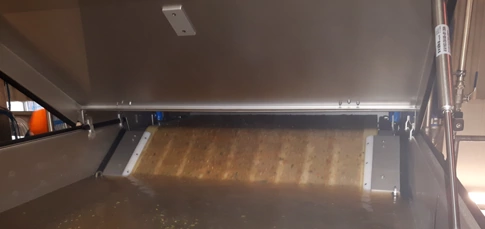
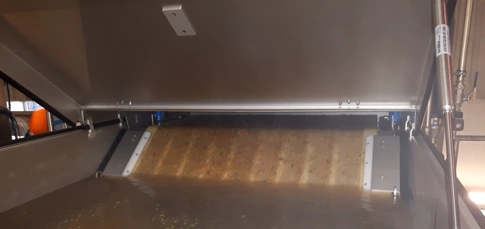
CirTec, part of Nijhuis Saur Industries, supplied a rotating belt fine sieve (IntenSieve®) to remove suspended solids from the wastewater before discharge.
The system uses a filter cloth and the natural suspended solids in the wastewater to build a filter layer, or precoat, on the belt. This filter layer enables the system to capture particles smaller than the nominal mesh size of the filter cloth.
As the belt rotates, the separated solids are transported toward the discharge point. Low-pressure air removes the screened material from the filter cloth, while automatic control of the water level and belt speed helps maintain an effective filter layer and optimize separation performance.
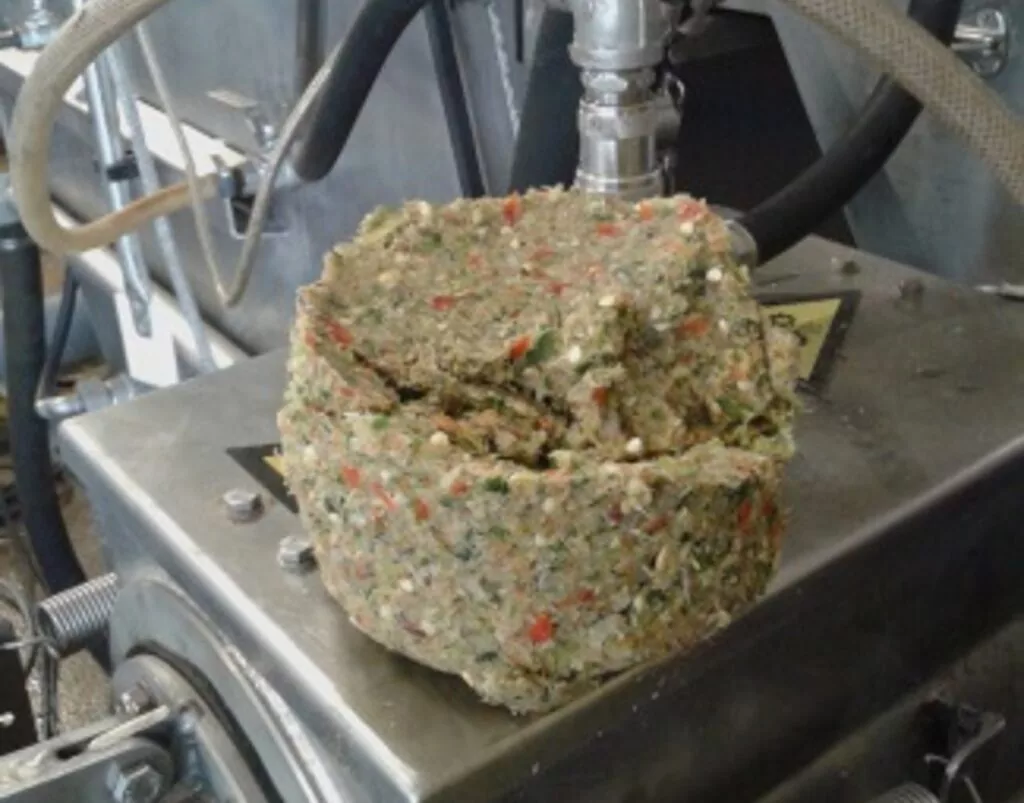
The solution achieved an average 75% removal of total suspended solids (TSS) and approximately 47% removal of bound COD. The resulting solids form a dewaterable product, while the reduced pollutant load lowers wastewater discharge costs.
The solution was selected to handle the client’s variable wastewater flow, with an average flow of approximately 80 m³/h and peak flows of up to 170 m³/h.
Customer benefits

Lower industrial wastewater discharge costs
Removing suspended solids before discharge reduces the pollution load in the wastewater. For the client, this creates an opportunity to significantly reduce wastewater discharge costs.
Reduced risk of pipe blockages
Vegetable particles previously contributed to solids settling and blockages in the drainage system. By removing a significant share of the suspended solids before discharge, the rotating belt fine sieve helps reduce this risk.
Efficient solids separation
The filter layer created during operation enables the system to capture particles smaller than the nominal mesh size of the filter cloth. This supports effective removal of fine suspended vegetable matter from the wastewater.
A dewaterable end product
The separated vegetable solids form a relatively dry, dewaterable product. This makes handling of the removed material easier and supports efficient solids management.
Attractive return on investment
Pilot testing showed approximately 75% TSS removal and 47% bound COD removal. Based on the resulting reduction in discharge costs, the calculated payback period for the fine screening installation was less than two years.
Reduced operator workload
Maintenance of the delivered machine is supported by CirTec, reducing the supervision and maintenance workload for the customer's operating team.