
Your Challenges
High environmental footprint of water systems
Water treatment systems contribute to emissions through direct greenhouse gas release (CH₄, CO₂, N₂O), energy consumption, and chemical use. Organizations often lack clarity on where emissions originate and how to lower them effectively.
Increasing pressure to reach Net Zero
Companies face rising expectations to reduce their environmental impact. Many struggle to understand their full lifecycle footprint or identify the most effective optimization opportunities.
Underutilized resource recovery potential
Many facilities overlook the value that can be extracted from wastewater — from energy to nutrients to reusable water. Identifying, evaluating, and implementing these resource recovery options can be complex without expert support.
How we help you ?
Lower Carbon Footprint
Optimized water systems reduce energy and chemical consumption, lowering greenhouse gas emissions and improving environmental performance.
Cost Savings Through Optimized Operations
Reduced chemical demand and energy use translate directly into lower operating costs while improving system efficiency.
Unlocking New Value Through Resource Recovery
Recovered energy, nutrients, and materials turn wastewater into valuable resources, expanding both sustainability and economic benefits.
Our Process
Frequently Asked Questions
Water treatment systems contribute to emissions through energy use, chemical consumption, and direct greenhouse gas release. Equipment selection, process efficiency, and operational practices all influence your overall carbon footprint. Optimizing these elements is a key step toward achieving Net Zero targets.
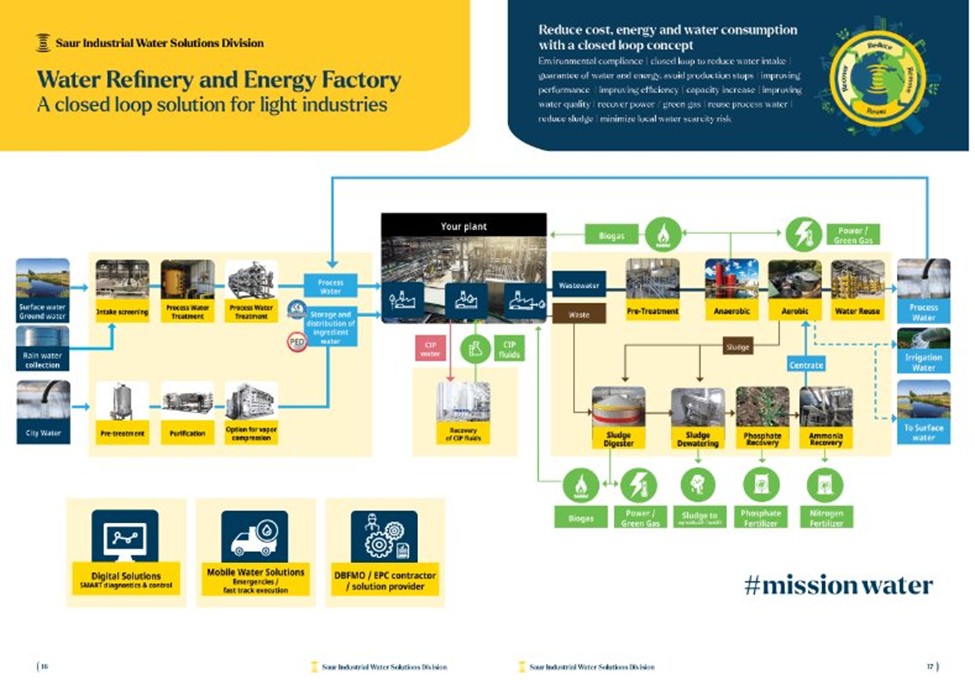
Resource recovery turns wastewater into a source of value by extracting energy, nutrients, materials, heat, or reusable water. Instead of treating wastewater as waste, recovered resources help reduce environmental impact while delivering economic and sustainability benefits.
i‑CONSULT applies system assessments, lifecycle analysis, and site‑specific evaluations to identify practical optimization and recovery opportunities. This data‑driven approach helps clients reduce emissions, lower operating costs, and define a realistic roadmap toward Net Zero.