
Your challenges
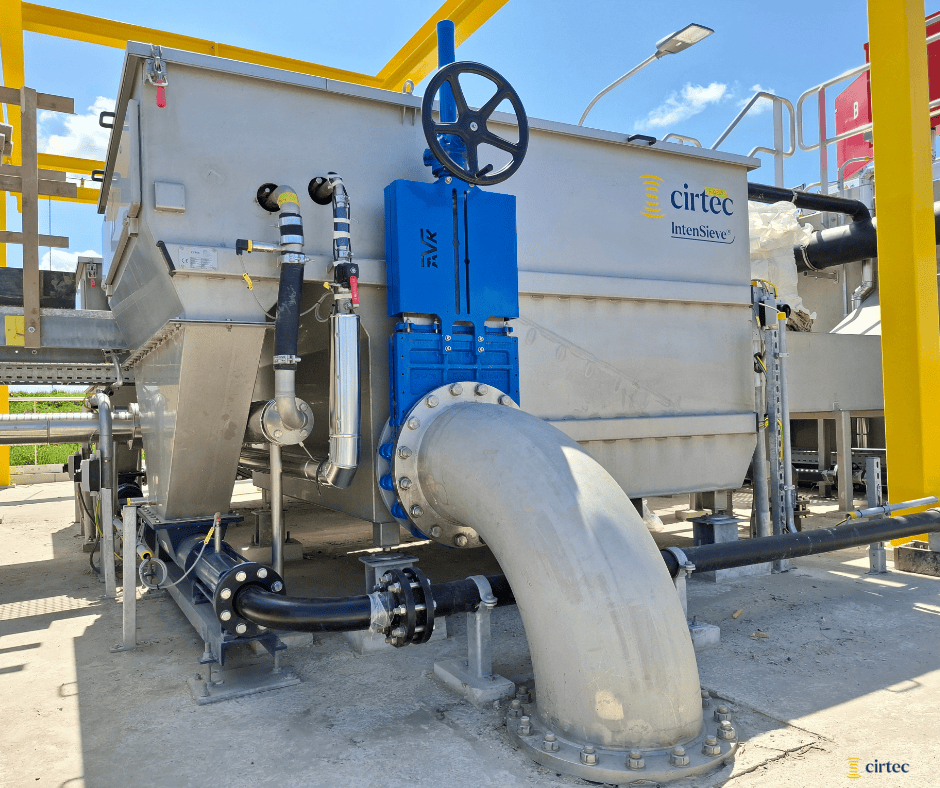
Wastewater treatment plants need to accommodate increasing loads and stricter performance requirements while making better use of existing infrastructure, space and energy.
Increasing wastewater flows and limited capacity
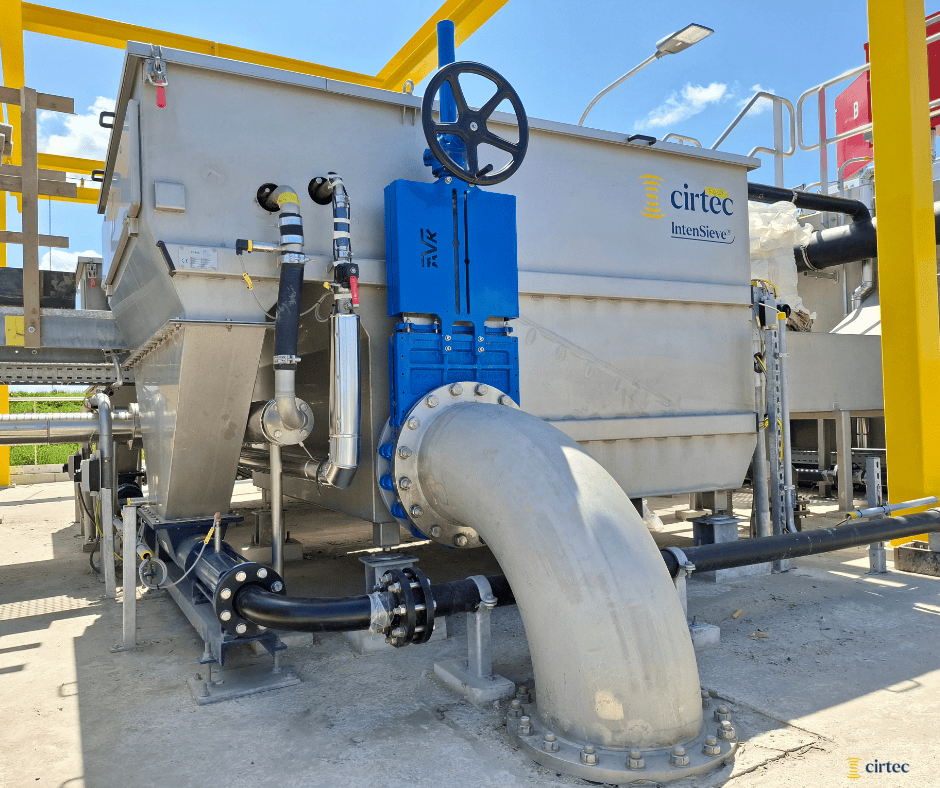
As wastewater flows and loads increase, existing treatment plants can approach their design capacity. Expanding biological treatment or installing additional primary settling tanks can require significant investment, civil works and valuable space. Fine screening can provide an alternative approach by removing suspended solids before biological treatment and helping to unlock additional capacity within existing infrastructure.
High solids loads entering biological treatment
Conventional preliminary screening mainly removes larger solids, while finer suspended solids continue into downstream treatment. These solids contribute to the organic load that needs to be treated biologically and can increase the demand on downstream processes. IntenSieve® provides fine screening to remove a significant proportion of suspended solids before biological treatment.
Rising energy and operational costs
Aeration is typically one of the largest energy consumers in a wastewater treatment plant. When more suspended and organic material enters the biological process, the oxygen demand and associated energy consumption can increase. Removing solids earlier in the process can reduce the downstream load and help wastewater treatment plants improve energy efficiency.

Key figures
Up to 70%
TSS Removal
Up to 15%
Aeration energy savings
10-20%
Capacity increase
15-25%
COD Removal
10 to >500 m³/h
Capacity range
References
See all our references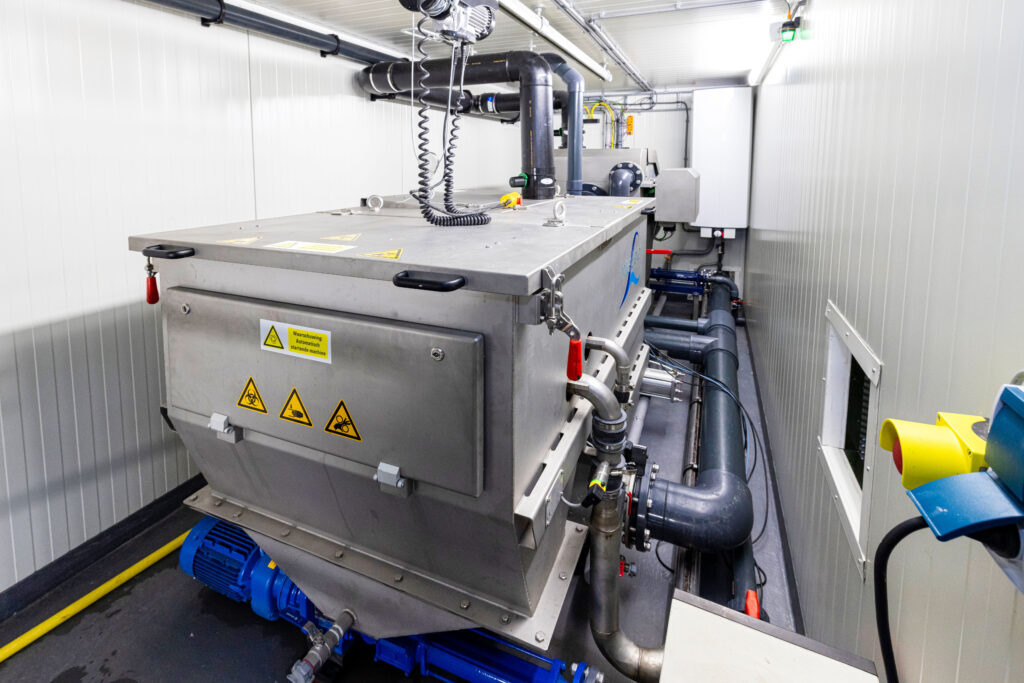
- Municipal
- Municipal wastewater
Decentralized sewage treatment for residential communities to recover resources and remove micropollutants – Oosterwold
The Oosterwold district in Almere is a unique residential area where sustainability, self-sufficiency and innovation are central design principles. To support this vision, a decentralised sewage treatment plant was developed to serve approximately 800 households. The challenge was to create a compact, future-proof system that not only treats wastewater safely, but also recovers valuable resources and removes micro-pollutants such as pharmaceutical residues.
In a consortium with Royal Oosterhof Holman (main contractor), Akanova and Van Remmen UV Technology, CirTec played a key role in delivering an innovative solution. The system had to perform reliably under fluctuating influent conditions while meeting strict environmental and water quality requirements. The municipality of Almere deliberately chose an unconventional approach, pushing technological boundaries to realise a sustainable, circular water treatment concept.
- Municipal wastewater
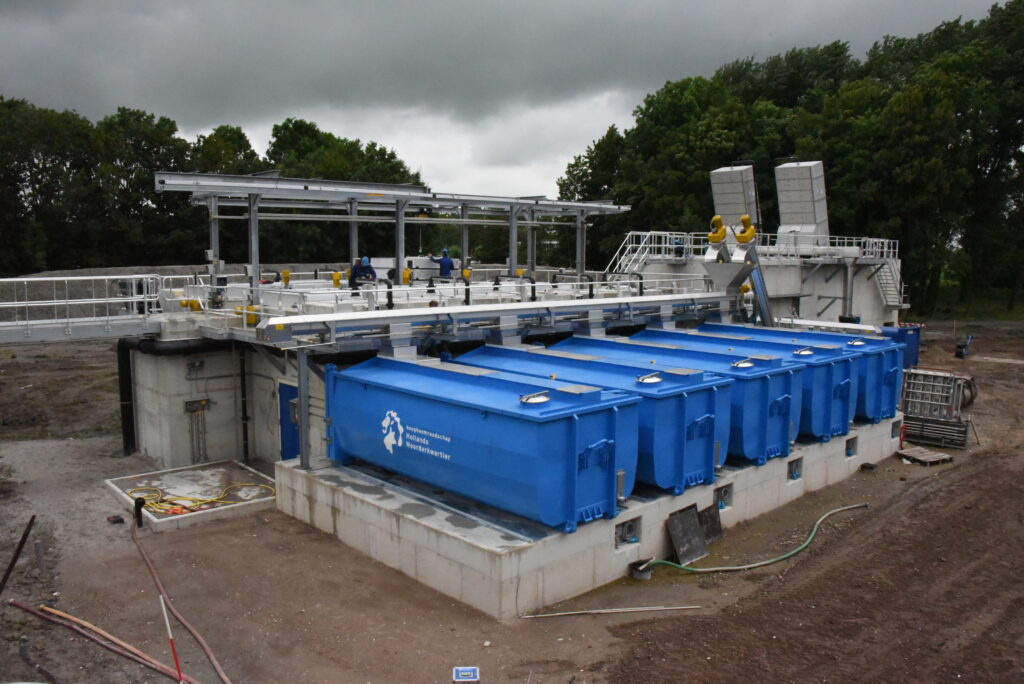
Fine screening for expansion of sewage treatment plant to increase capacity – WWTP Beemster
Municipal sewage treatment plants across Europe are increasingly under pressure due to rapid urbanization and population growth. WWTP Beemster, located in the heart of a protected UNESCO area, faced significant operational challenges as existing infrastructure was pushed to the limits of its design capacity. Conventional solutions such as expanding biological treatment or installing Primary Settling Tanks (PSTs) were impractical due to high costs, long construction timelines, and severe space limitations.
The challenge was to implement a cost-effective, space-efficient, and easy-to-integrate solution that would reduce operational strain, improve compliance with discharge standards, and future-proof the plant for growing loads—all without major civil works.
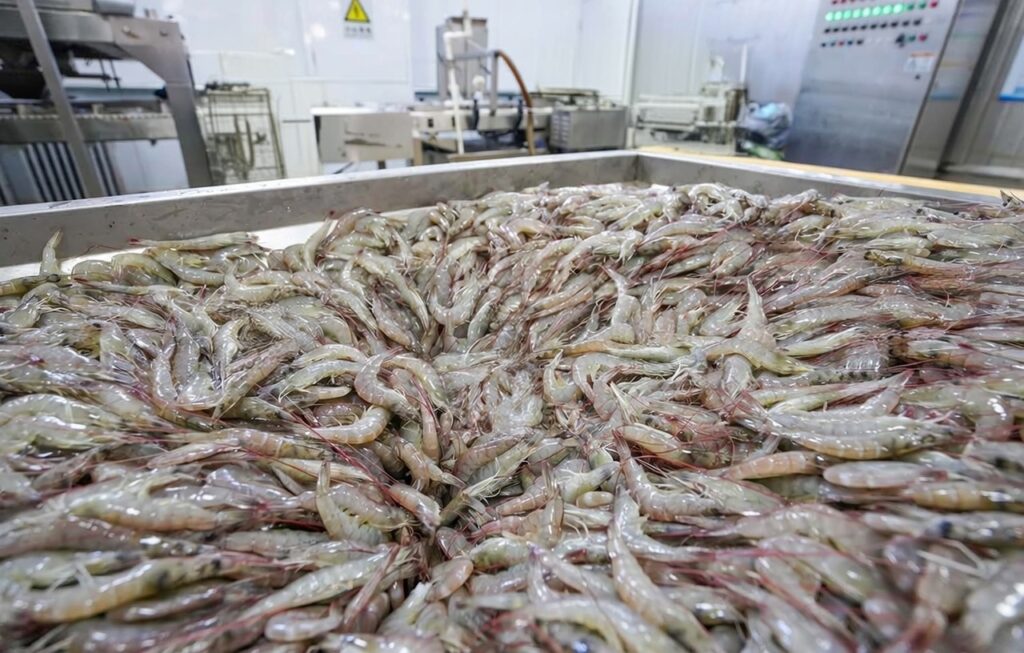
Wastewater treatment for seafood processing to meet discharge requirements
Shrimp peeling operations generate wastewater with high concentrations of suspended solids and organic load. If not treated effectively, this wastewater can place significant pressure on downstream treatment processes and pose a risk to surface water quality.
A shrimp processing company faced the challenge of achieving strict discharge compliance while maintaining a reliable, low-maintenance treatment process. The solution needed to be compact, energy-efficient, and capable of removing fine particles and organic matter without complex operation or high operational costs.
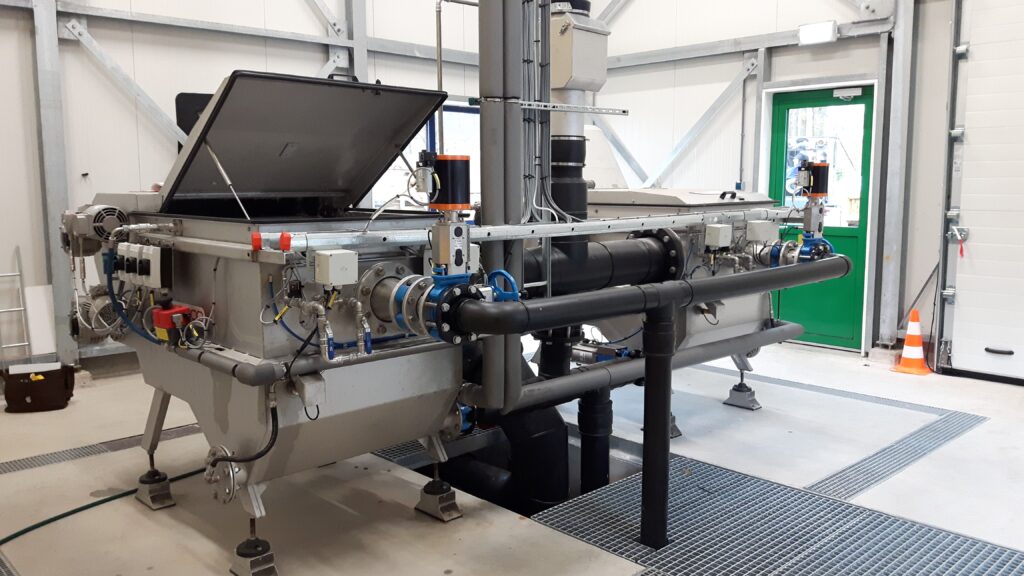
Fine screening for industrial manufacturing to meet stringent discharge requirements
A global manufacturer of glass fibre materials for industrial and building applications generates a chemically contaminated wastewater stream during production, containing highly variable concentrations of glass fibres and polyvinyl alcohol (PVA).
Due to tightening municipal discharge requirements, the local authority mandated a significant reduction of fibre content in the wastewater to below 300 mg/l. The main challenge was to reliably treat fluctuating flows and loads, while ensuring stable compliance with discharge limits—without disrupting production or requiring extensive changes to the existing wastewater infrastructure.