
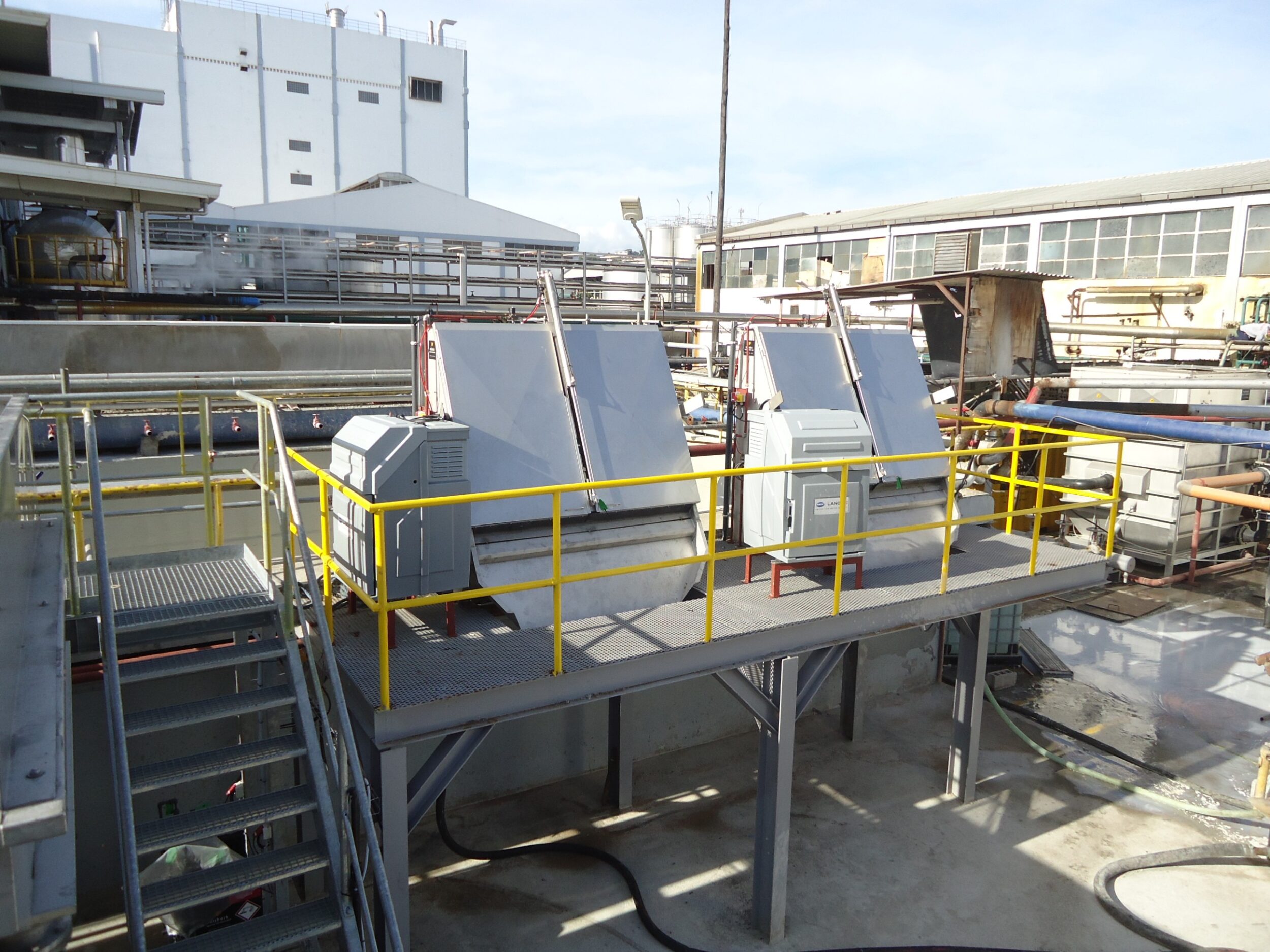
Customer challenges in wastewater filtering
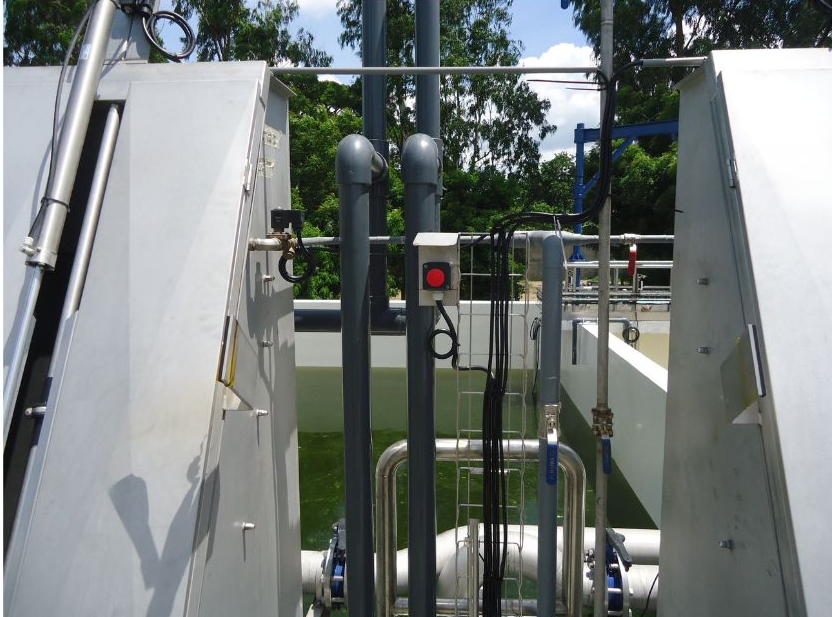

Screen clogging with difficult influents
Static screens can be particularly susceptible to blinding or clogging when influent contains high concentrations of fats, grease, or sticky solids. This demands constant manual oversight and frequent cleaning, which increases operational costs.

Space constraints for equipment installation
Industries often face limitations in available footprint for new equipment, requiring solutions that offer high efficiency in a compact form. Traditional or complex mechanical systems can often be too large for existing plant layouts.

Maintenance and safety concerns
Screens that are difficult to access or have exposed moving parts can pose both maintenance challenges and safety risks to plant personnel. Solutions to be designed with easy access and appropriate safeguards like covers.
Customer benefits
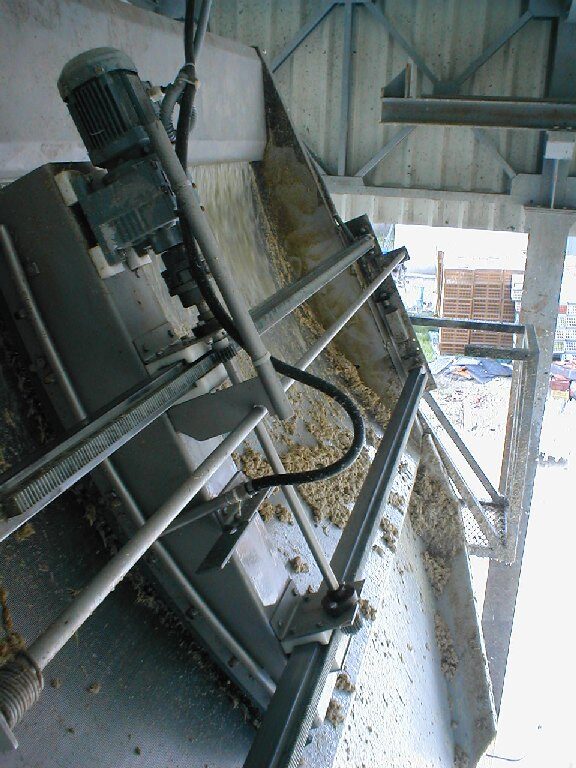

Minimal clogging with wedge-bar design
The unique wedge-shaped bar design ensures the smallest opening is at the filtering surface, and the shape widens below it. This geometry, combined with the downward flow angle, significantly reduces the risk of screen blinding by ''shedding'' solids and maintaining efficient throughput.

Low energy and maintenance requirements
As a stationary filter screen, the basic NZB unit requires no motor for the separation process itself. This translates into negligible energy consumption and fewer mechanical components, leading to very low maintenance requirements and exceptional reliability.
Flexible and compact installation
With available datasheets (NZB 600, 1200, 1800, 2400) and a modular design, the NZB can be installed in tight spaces. Optional supports can be provided if an existing elevated structure is unavailable, ensuring flexibility for integration into various plant layouts.

Enhanced cleaning for difficult wastewater
For challenging wastewater streams, the optional, automated spray cleaning system can be installed. This system uses vertically moving nozzles to wash the screen surface, efffectively managing high-fat or sticky influent and ensuring continuous, optimal operations.