
Your challenges
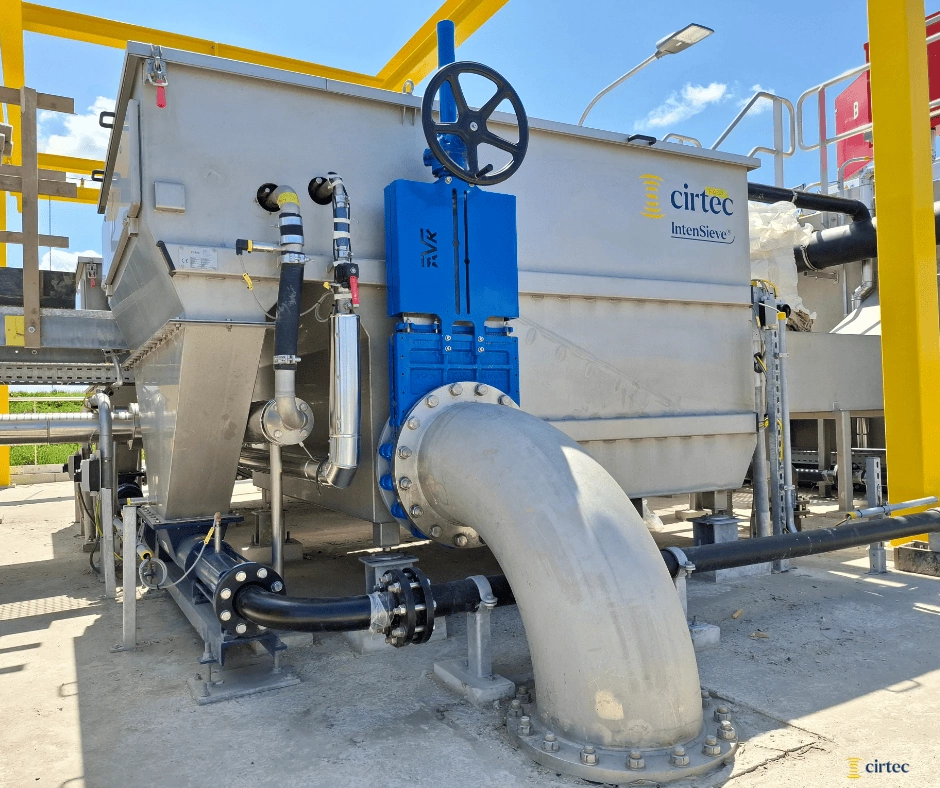
Operators in the municipal and industrial sectors must improve performance within existing footprints.
Handling rising flows more efficiently
As flows increase, traditional clarifiers and screens can approach their limits. This challenge presents an opportunity to optimize your existing infrastructure — enhancing capacity without the need for costly plant expansion.
Reducing operational costs
Wastewater treatment can be costly, especially when solids are not removed early on. Addressing this challenge opens the door to more cost‑efficient downstream processes and long‑term savings.
Lowering energy consumption and your carbon footprint
Aeration is typically one of the largest energy users in a treatment plant. When solids loads are high, energy demand rises. Tackling this challenge helps reduce blower usage, cut energy consumption, and support your sustainability ambitions.

Key figures
40 - 70%
TSS Removal
25-30%
Aeration energy savings
15-20%
Capacity increase
25-30%
COD Removal
References
See all our references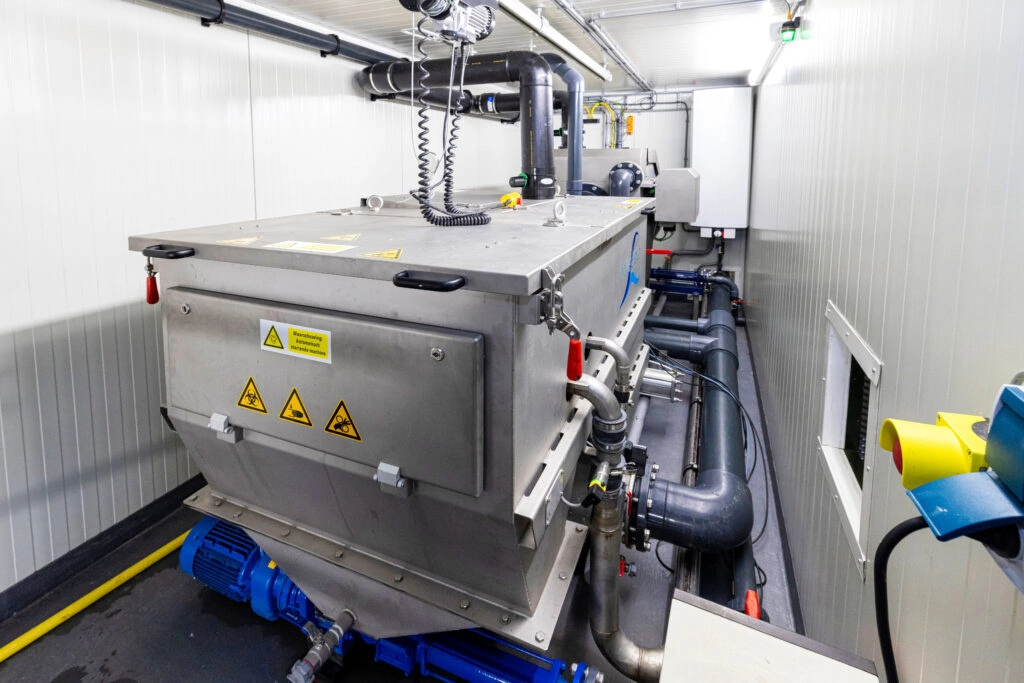
- Municipal
- Municipal wastewater
Decentralized sewage treatment plant Oosterwold
The Oosterwold district in Almere is a unique residential area where sustainability, self-sufficiency and innovation are central design principles. To support this vision, a decentralised sewage treatment plant was developed to serve approximately 800 households. The challenge was to create a compact, future-proof system that not only treats wastewater safely, but also recovers valuable resources and removes micro-pollutants such as pharmaceutical residues.
In a consortium with Royal Oosterhof Holman (main contractor), Akanova and Van Remmen UV Technology, CirTec played a key role in delivering an innovative solution. The system had to perform reliably under fluctuating influent conditions while meeting strict environmental and water quality requirements. The municipality of Almere deliberately chose an unconventional approach, pushing technological boundaries to realise a sustainable, circular water treatment concept.
- Municipal wastewater
Expansion sewage treatment plant Beemster
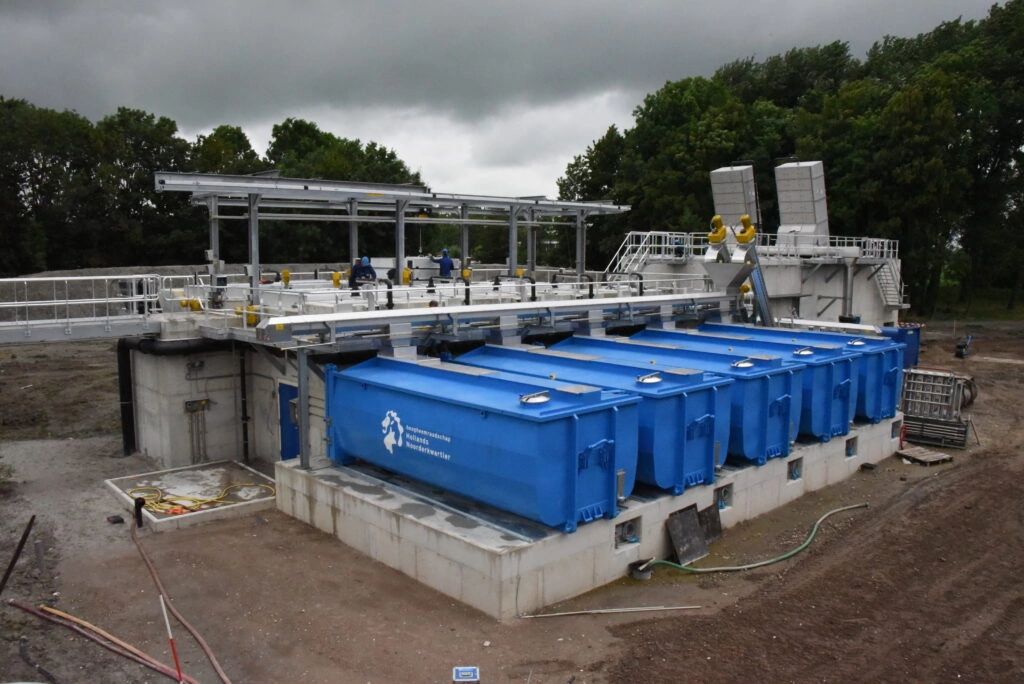
Municipal sewage treatment plants across Europe are increasingly under pressure due to rapid urbanization and population growth. WWTP Beemster, located in the heart of a protected UNESCO area, faced significant operational challenges as existing infrastructure was pushed to the limits of its design capacity. Conventional solutions such as expanding biological treatment or installing Primary Settling Tanks (PSTs) were impractical due to high costs, long construction timelines, and severe space limitations.
The challenge was to implement a cost-effective, space-efficient, and easy-to-integrate solution that would reduce operational strain, improve compliance with discharge standards, and future-proof the plant for growing loads—all without major civil works.