Contact us

Project’s context & challenges

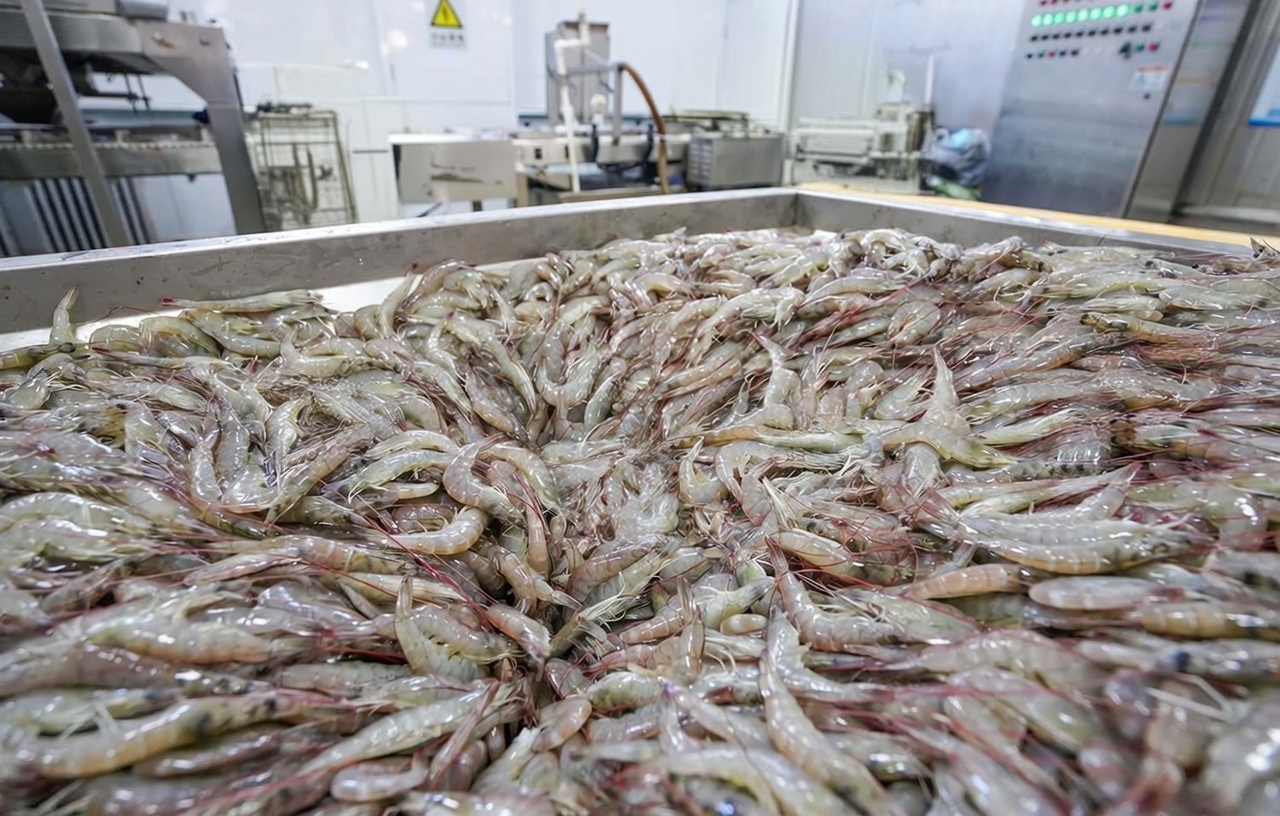
Shrimp peeling operations generate wastewater with high concentrations of suspended solids and organic load. If not treated effectively, this wastewater can place significant pressure on downstream treatment processes and pose a risk to surface water quality.

A shrimp processing company faced the challenge of achieving strict discharge compliance while maintaining a reliable, low-maintenance treatment process. The solution needed to be compact, energy-efficient, and capable of removing fine particles and organic matter without complex operation or high operational costs.

Customer benefits

Up to 80% removal of total suspended solids (TSS)

Almost 40% reduction of biochemical oxygen demand (BOD)

Full compliance with discharge requirements

Prevention of pollution of surrounding surface waters

Stable and reliable operation due to low-speed filtration

Low energy consumption and minimal operational complexity

Compact solution suitable for industrial food processing sites

Solution

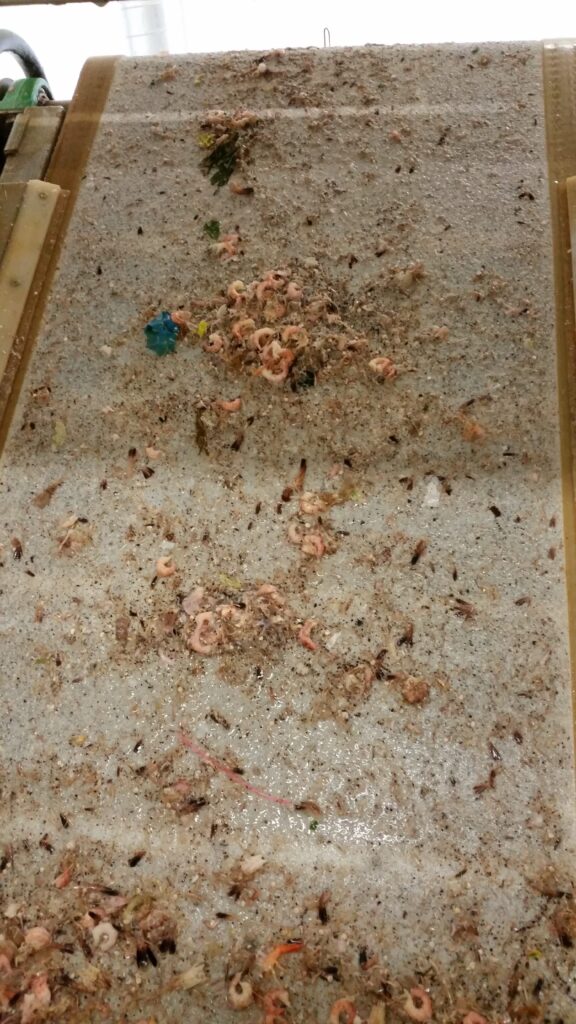
CirTec installed a Rotating Belt Screen equipped with an ultra-fine filter cloth, specifically designed for treating wastewater from shrimp peeling processes. The system operates at an exceptionally low belt speed, allowing a stable filter layer to form on the cloth.

This cake filtration mechanism significantly enhances the removal of fine suspended solids and associated organic load before discharge. As a result, the shrimp processing company achieves consistent effluent quality while safeguarding the local environment and meeting all regulatory requirements.

Scope of supply

  • Engineering and delivery of rotating belt screen technology

  • Installation support

  • Support during commissioning and start-up

Applied solutions

  • Rotating Belt Screen with ultra-fine filter cloth

  • Low-speed cake filtration technology

  • Compact pre-treatment for industrial wastewater

  • Efficient removal of TSS and BOD to protect surface waters

Contact our experts