Contact us

Project’s context & challenges

Zwarte Cross is the largest multi-day festival in the Netherlands, attracting more than 200,000 visitors with a unique mix of music, culture, theater, and motorsport. With such a high number of attendees, the event generates significant water demand and wastewater challenges, from toilet flushing to showers and food areas.

Nijhuis Saur Industries (NSI) partnered with WijWater to implement mobile, decentralized water and resource recovery solutions at the festival site. The challenge: design and operate compact and flexible systems that could reduce potable water use, prevent ammonium peaks at municipal wastewater treatment plants, recover valuable nutrients, and contribute to a fully circular water cycle within the festival grounds.

Our contributions at Zwarte Cross

2,000 L/h

Surface water treated for toilet flushing

60,000 L

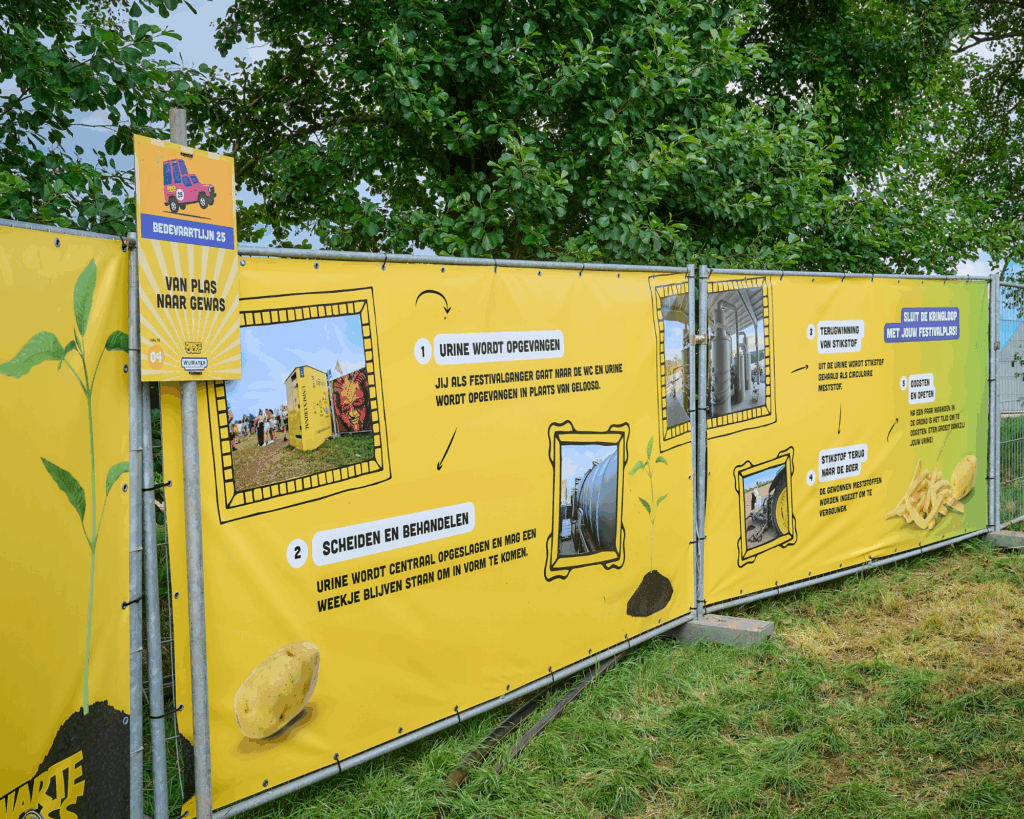
Urine collected and processed

2

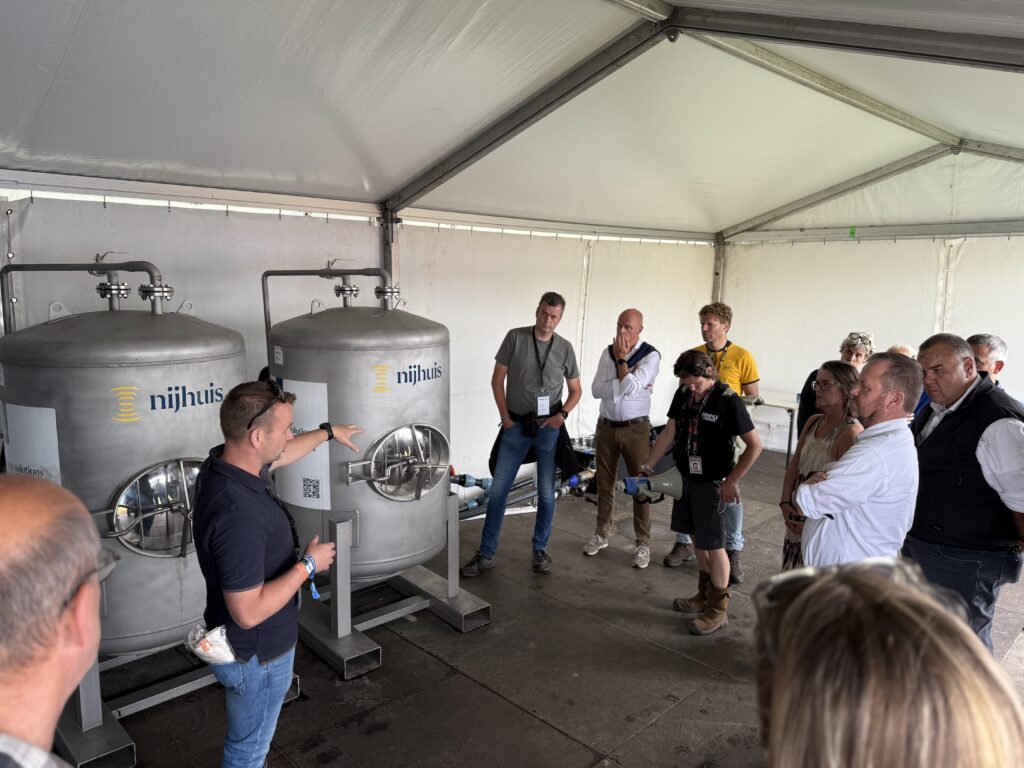
MOFI 1200 vessels deployed for groundwater-to-drinking water pilot

Customer benefits

Saves potable water

By producing safe, non-potable water from surface water, our systems significantly reduce the need for drinking water at events. This water can be safely used for toilet flushing, cleaning, and irrigation, helping organizers manage resources efficiently while protecting local drinking water supplies.

Prevents ammonium shock loads

Large events can generate sudden spikes in wastewater nutrients, like ammonium, which can overload regional treatment plants. By separating and processing urine and treating wastewater on-site, our solutions prevent these “shock loads,” protecting local infrastructure and the environment.

Produces sustainable fertilizers

Captured nutrients are transformed into high-quality fertilizers with a 60% lower CO₂ footprint compared to synthetic alternatives. This closes the nutrient loop and contributes to more sustainable agriculture, turning festival water streams into a tangible environmental benefit.

Reduces environmental impact and showcases scalable solutions

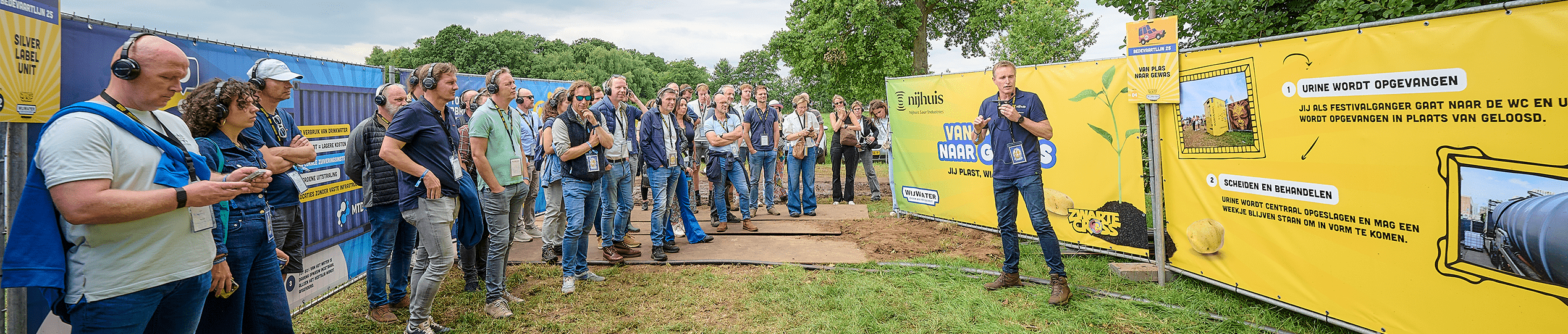
Our systems minimize the ecological footprint of large-scale events while providing a visible demonstration of circular water solutions. Festivals become living labs, proving that these approaches are scalable, practical, and ready to inspire other sectors — from sports venues to residential areas.

Demonstrates household water savings potential

The technologies we develop for events can also be applied in residential settings. For example, by reusing treated water streams, up to 25% of household water can be saved — reducing daily consumption from 130 to 100 liters per person. This shows that circular water solutions at events have wider societal benefits.
Solution

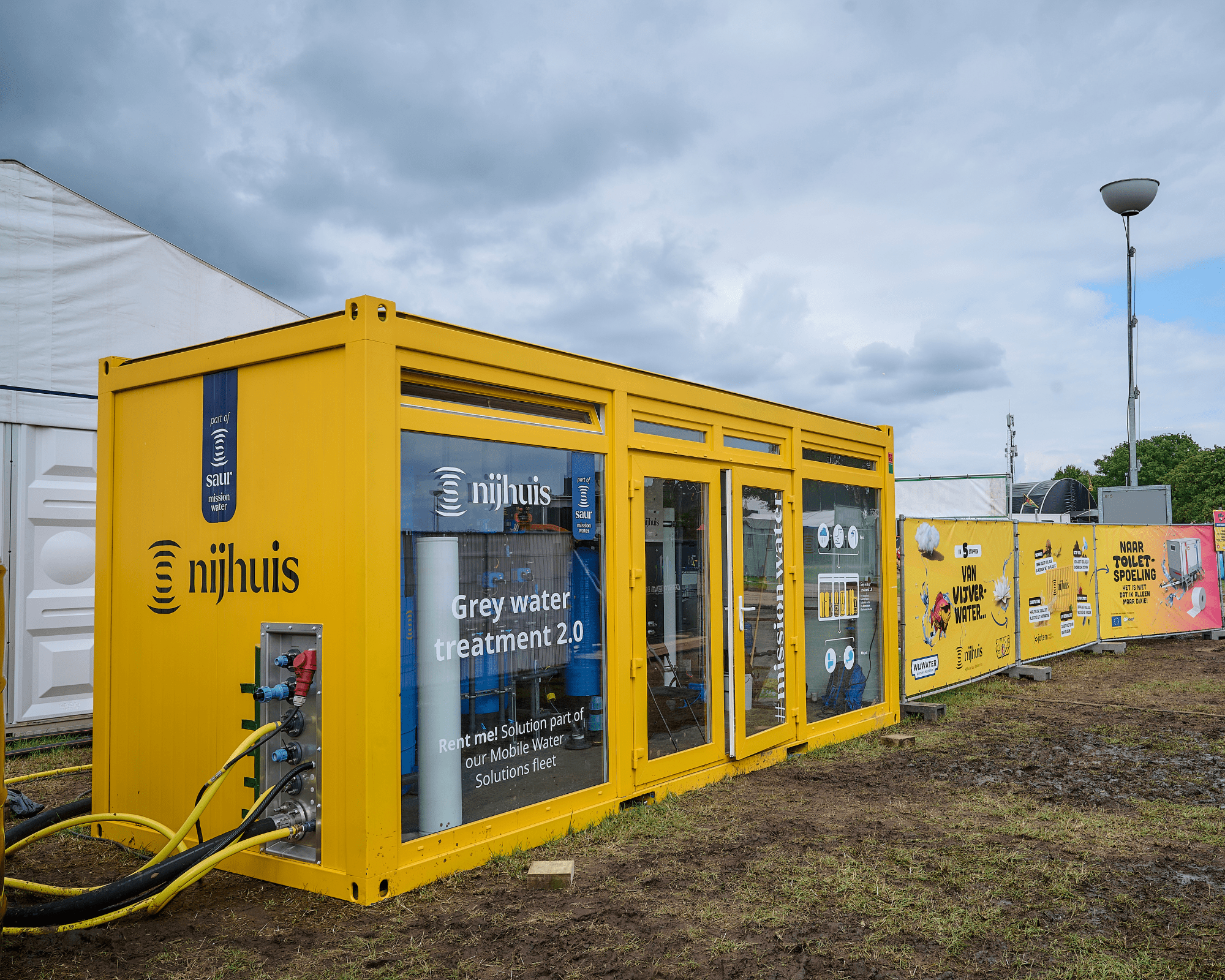
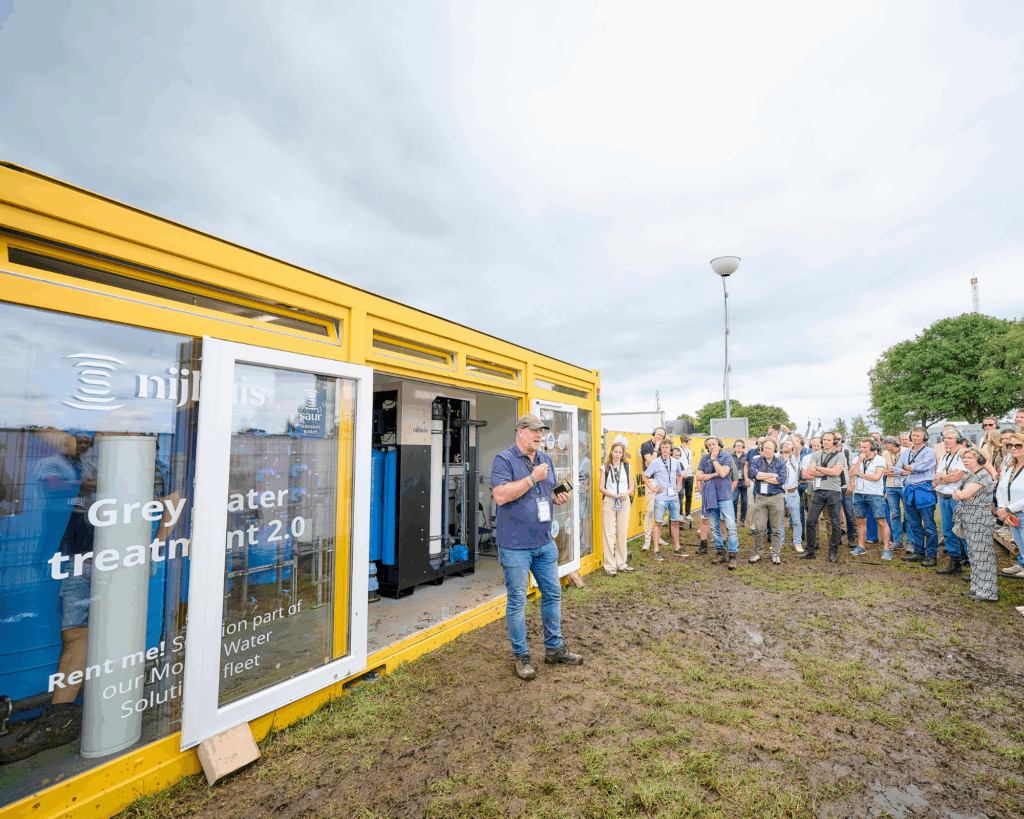
Surface water reuse: NSI installed a mobile treatment line using skimming, activated carbon, ultrafiltration, UV disinfection, and buffer storage (7,500 L). The system produced 2 m³/h of non-potable water for toilet flushing, simulating how surface water can safely replace potable water in future residential applications.

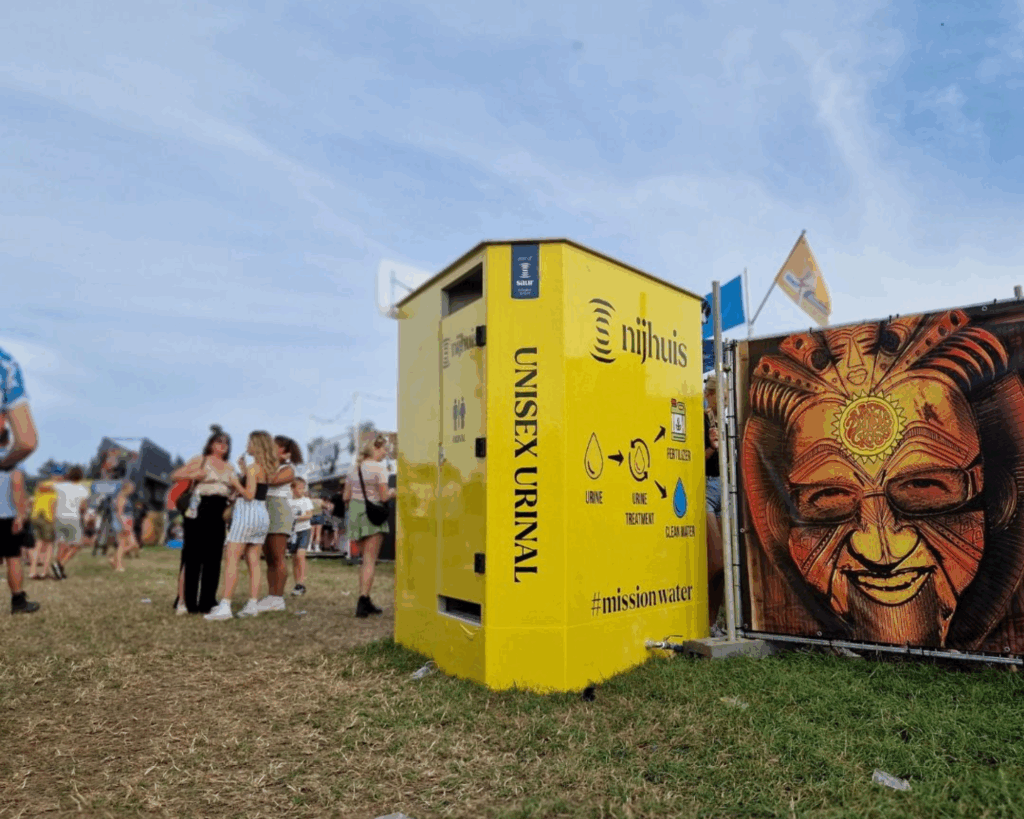
Urine treatment & nutrient recovery: Festival urine was collected via urinals, buffered in tanks, and transported for centralized processing. Using stripping towers, ammonium was bound into ammonium sulfate, creating a sustainable fertilizer. Future steps will include phosphate recovery and pharmaceutical removal.

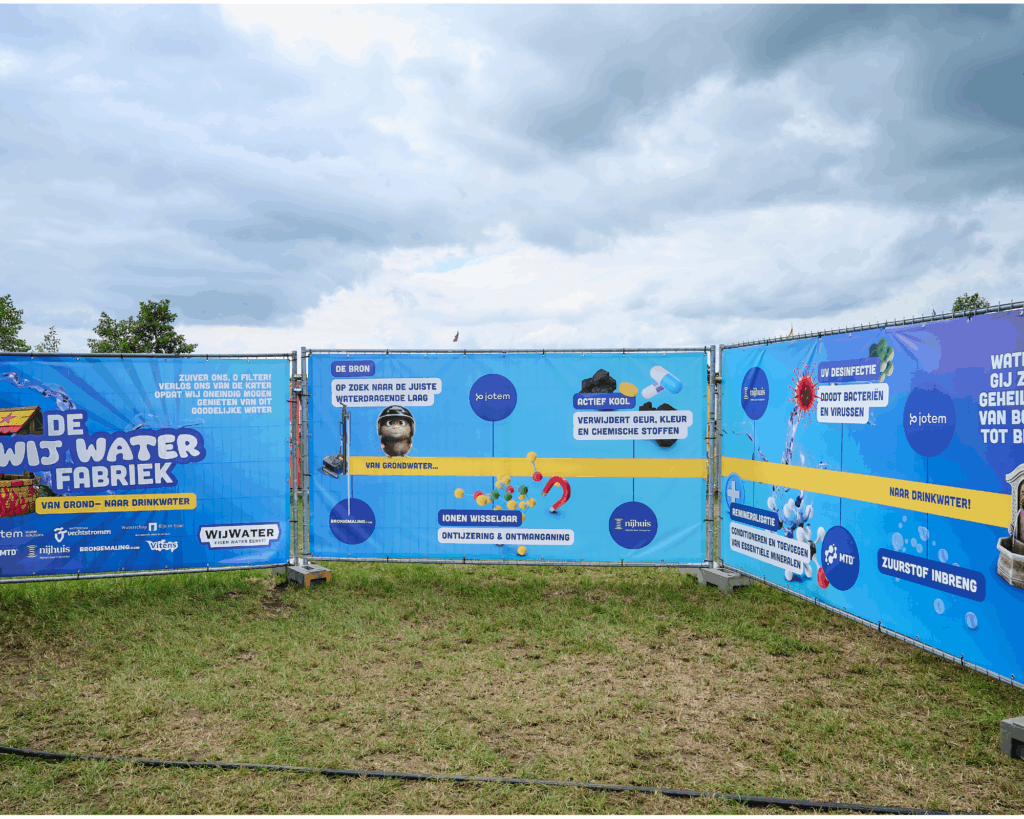
Groundwater-to-drinking water pilot: As part of the WijWater initiative, NSI supplied two MOFI 1200 vessels to enable on-site treatment of groundwater to drinking water quality, contributing to the festival’s ambition of a fully circular water balance with no net extraction from the IJssel river.

Scope of supply

  • NSI grey water treatment container and operation of mobile surface water reuse system (2 m³/h)

  • Urine collection and nutrient recovery system (60,000 L capacity)

  • Supply of MOFI 1200 vessels for groundwater-to-drinking water pilot

  • On-site commissioning, monitoring, and operational support

  • Collaboration with festival organizers, municipalities, and utilities to scale up future applications

Applied solutions

  • Mobile decentralized water reuse for festivals and temporary events

  • Surface water treatment for non-potable reuse (toilets, washing, irrigation)

  • Nutrient recovery from urine (ammonium sulfate fertilizer)

  • Groundwater-to-drinking water treatment via MOFI 1200 mobile vessels

  • Circular water concepts that can be scaled from festivals to urban environments

More information?